Bad news
Bangladesh Garment Workers Strike for a Fourth Day as Wages Trail Prices
Garment workers in Bangladesh are on a fourth day of wage protests, demanding 30,000 taka a month against 12,500 now. Hundreds of factories have stopped, police have used tear gas, and a government wage board has yet to meet.
This story runs on the bad side only. The biggest stories of the day are told on both sides.
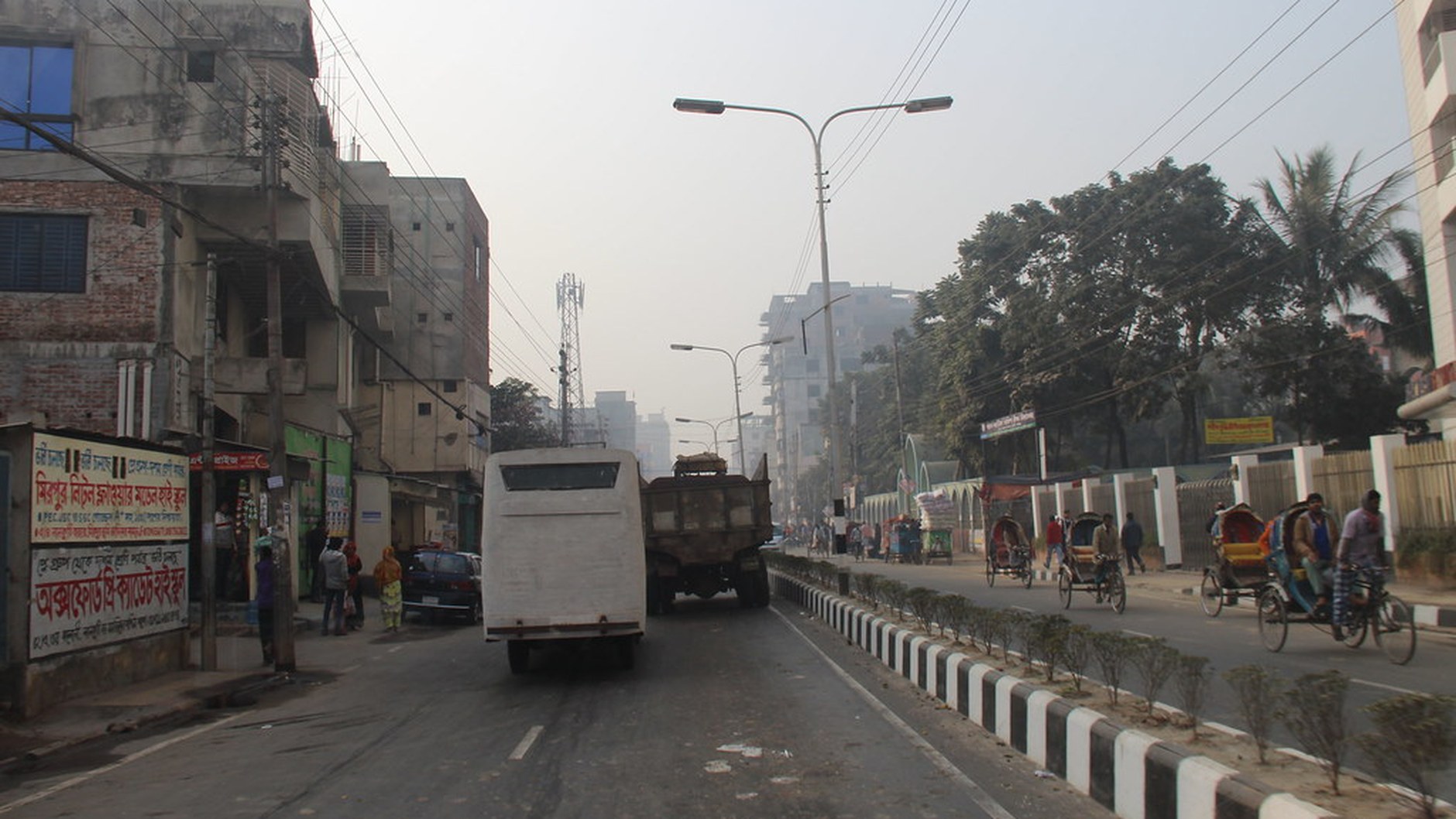
Bangladesh’s garment workers want to more than double the minimum wage, and they are not going back to work until someone agrees. Protests over pay entered a fourth day on Tuesday 3 November in and around the capital, Dhaka, according to AFP. The workers are demanding a minimum of 30,000 taka a month, about $245, against the current 12,500 taka. That is a rise of 140%.
The sector employs more than four million people, around half of them women, Al Jazeera reports. It supplies brands including H&M, Zara, Levi Strauss, Walmart and Primark, and accounts for more than 80% of Bangladesh’s export earnings, the broadcaster says.
Factories stopped, police on the streets
On Sunday the employers’ group, the Bangladesh Garment Manufacturers and Exporters Association, said protests had disrupted 529 factories and nearly a million workers, Al Jazeera reports. AFP quotes industry representatives saying workers from at least 670 factories walked out on Monday. The counts are for different days, and neither is independently verified.
Police used tear gas and stun grenades on Sunday in the Ashulia industrial area and arrested dozens of protesters, according to Al Jazeera. AFP reports that police say 58 officers were injured, workers say scores of protesters were hurt, and that police have filed cases against thousands of unidentified protesters over burned vehicles and damaged property. Paramilitary border guards were deployed in Gazipur and Narayanganj. Home Minister Salahuddin Ahmed blamed troublemakers and supporters of the former leader Sheikh Hasina, AFP says, without providing evidence.
What the money buys
Official data put annual inflation at 8.34% in September, including 7.22% for food, Al Jazeera reports. The last garment wage revision was in December 2023. A sewing operator near Dhaka told Al Jazeera she earns about 15,000 taka ($121) a month, or up to 20,000 taka with overtime. Her two children have left school because she cannot pay for it.
Bangladesh pays some of the lowest wages among apparel producers, Al Jazeera says. It lists a monthly garment minimum of $210 in Cambodia, $140 to $210 in Vietnam and $286 to $378 in China’s Guangdong, against about $102 in Bangladesh at the current 12,500 taka.
Zahid Hussain, a former lead economist at the World Bank’s Dhaka office, told Al Jazeera that five years of persistent inflation have sharply eroded low-paid workers’ buying power. He also said a recent pay rise for government employees has encouraged private-sector workers to expect similar relief.
The government’s answer
On Sunday the government announced a six-member wage board to review the demands, but protesters stayed on the streets, AFP says. A labour law change has shortened the wage review cycle from five years to three, and the current period ends in December, according to Al Jazeera. The labour minister urged workers to resume work and said the board would begin shortly. No date for a decision or for a rise has been announced.
Babul Akhter, a workers’ representative on the board, wants any new wage to start with January 2027 salaries. Al Jazeera and AFP report that he has urged workers to return to the factories while demanding the release of those arrested.
Who pays
Manufacturers say they cannot carry the whole increase. The association’s Sheikh Hossain Muhammad Mustafiz told Al Jazeera that large wage rises without fair purchasing prices from international brands could threaten jobs, and that brands must share responsibility. Taqbir Huda, a human rights lawyer at Oxford, told the broadcaster the western buyers hold most of the value the clothes generate. The brands named in the reports have not been quoted in either.