
 Bad news
Rate Rise to 4% Adds About £31 a Month for 500,000 Tracker Mortgages
The Bank of England raised Bank Rate to 4% from 3.75% on 5 November, its first increase since 2023, and warned inflation could reach about 5% by mid-2027. About 500,000 tracker mortgages rise at once; most borrowers wait for renewal.
This story runs on the bad side only. The biggest stories of the day are told on both sides.
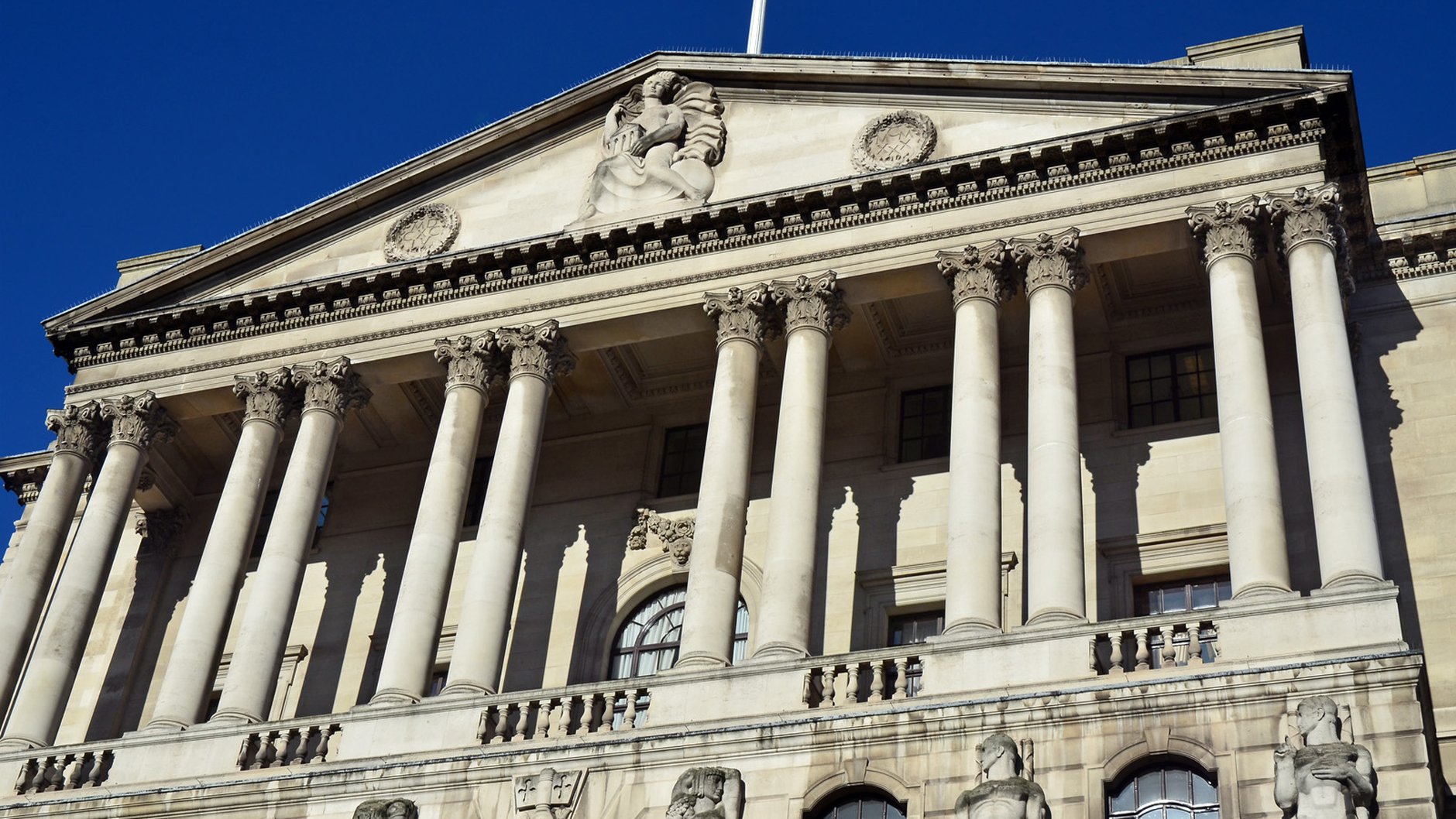
The Bank of England raised Bank Rate to 4% from 3.75% on Thursday, the first increase since August 2023, and said inflation could reach about 5% by the middle of 2027. The Bank explains on its website that the cause is energy: war in Iran and the Middle East has disrupted oil and gas supplies and pushed up prices. Inflation was 3.5% in September, against a 2% target, according to Euronews, reporting with AP.
Eight of the nine members of the Monetary Policy Committee voted for a quarter-point rise. One wanted half a point, Euronews says. The Bank says there is still limited evidence that higher energy costs are feeding through to other prices and wages, but that the pressure in the pipeline is now enough to justify acting.
Who pays first
The BBC counts about 500,000 homeowners whose mortgages track Bank Rate. For a typical loan, repayments rise by about £31 a month straight away, though the figure depends on the size of the loan. Another 500,000 homeowners on standard variable rates must wait to see whether their lender passes the rise on. The BBC gives about £14 a month for a quarter-point rise on a typical loan.
Most borrowers are shielded for now. About 87% of mortgage holders are on fixed deals, so payments stay the same until the deal ends, usually after two or five years. The cost arrives at renewal. Euronews reports that benchmark two-year mortgage rates have risen by almost half a percentage point since the start of September, and lenders had already priced in this rise. The BBC adds that average fixed rates are much higher than predicted at the start of the year, which hurts anyone remortgaging.
Businesses face a different squeeze. Many small firms have variable-rate loans linked to Bank Rate. Firms say higher borrowing costs limit their ability to hire and raise pay, the BBC reports. One manufacturer told the BBC that the likely response is more automation and fewer jobs. That is one employer’s view, not a forecast from the Bank.
Savers gain, though not automatically. The BBC cites Moneyfacts, which says that people who left £20,000 in closed accounts over the past three years lost out on an extra £139 compared with on-sale easy-access accounts. Renters may also pay more, because higher rates can raise landlords’ costs, the BBC says.
The Bank’s own numbers cut two ways. It raised its growth forecasts to 1.6% this year and 1.3% in 2027, up from 1.1% for both years in July, according to Euronews. Yet it warns that growth is likely to slow in the coming quarters. It expects the Budget to cut inflation by a quarter of a point by the second quarter of 2027.
Governor Andrew Bailey said the rise should not be seen as the first of an inevitable long sequence. He added that unless the conflict in the Middle East is resolved, it does not look likely to be the last. A Bank survey of market participants expected 4% in November and 4.25% in February, Euronews notes. The Bank follows recent rises by the US Federal Reserve and the European Central Bank, which were also responses to inflation driven by the Iran war.
The next decision is on 17 December. Until then, the Bank cannot change energy prices, as it says itself. Its tool is to make borrowing dearer so that demand, and prices, cool, and the first people to feel that are those with variable mortgages and loans.