Bad news
Ebola Vaccine Reached Only 70,000 of 500,000 Doses Requested as MSF Presses for Access
Doctors Without Borders says Congo asked for 500,000 Ervebo doses in August and received 70,000, and that research rules still limit who can be vaccinated. WHO counts 10,668 confirmed cases and 5,198 deaths.
This story runs on the bad side only. The biggest stories of the day are told on both sides.
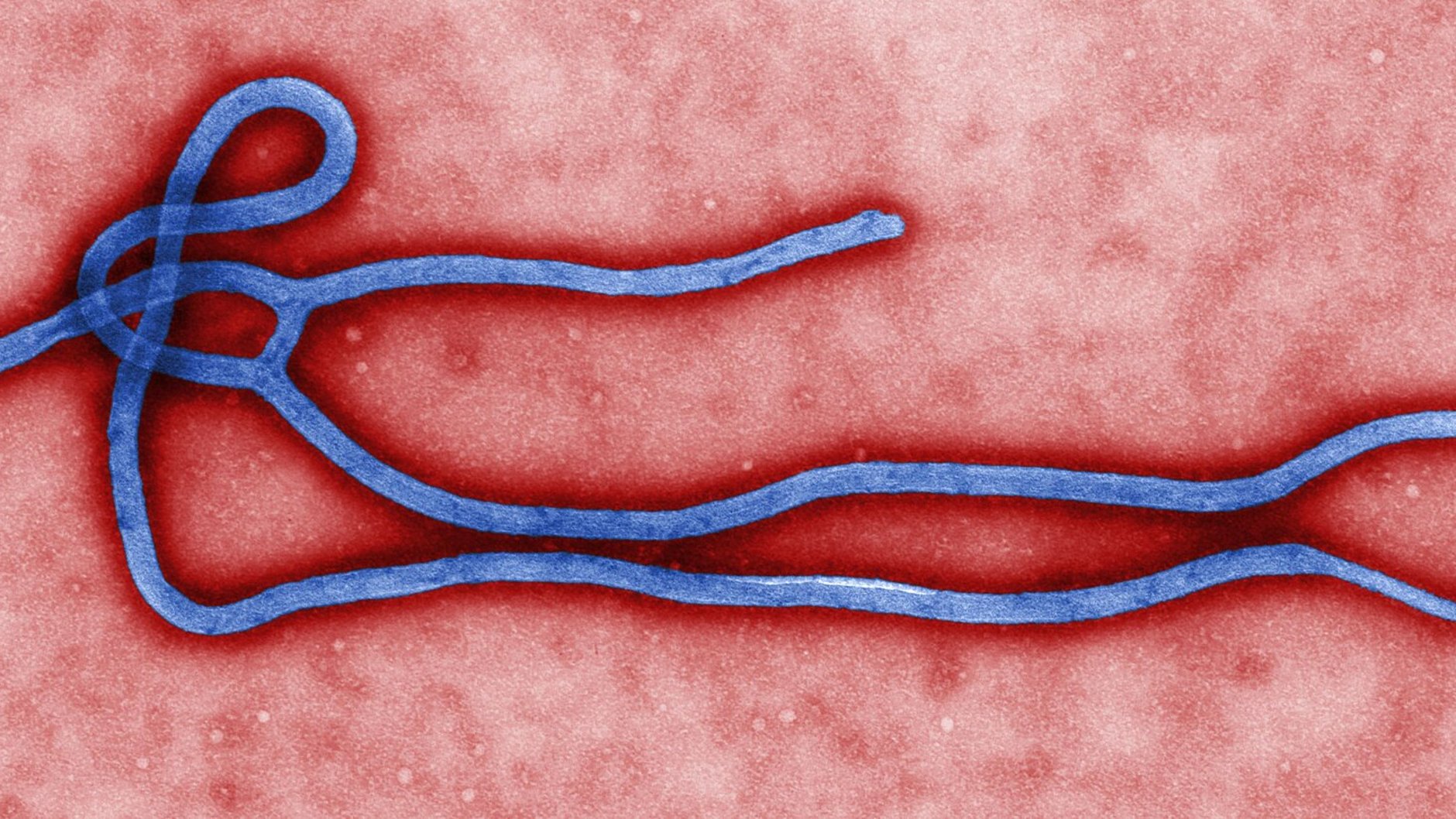
Congo asked for 500,000 doses of the Ervebo Ebola vaccine in August and was given 70,000, according to Doctors Without Borders (MSF). In a statement on 9 November, the charity called for wider access to the only Ebola vaccine available at scale while the outbreak continues. An earlier report covered the contact-tracing gap.
Who can get the vaccine
MSF says frontline workers are vaccinated through research protocols or compassionate-use schemes. Contacts of confirmed cases can generally get it only through clinical trials, which enrol a small fraction of the people who could benefit. The vaccine is licensed for people aged one year and older, MSF says, but Ervebo was designed for a different Ebola species than the Bundibugyo virus behind this outbreak.
The charity asks that restrictions linking vaccination to research protocols be lifted. It also asks that allocations from the manufacturer Merck, health authorities and partners match need. MSF stresses that vaccination alone will not control the outbreak without surveillance, testing, tracing, care and safe burials.
What the evidence shows
MSF says animal studies and immunological data suggest Ervebo may recognise Bundibugyo virus. Its teams saw encouraging signals among people vaccinated before the outbreak, including fewer confirmed cases and signs of lower mortality among those infected. MSF describes these as field observations rather than formal study results.
The World Health Organization reported on 6 November 10,668 confirmed cases and 5,198 deaths as of 3 November, across 67 health zones in eight provinces. Transmission is active in 51 of them. Of 512 deaths since 21 October, 335 occurred in communities and 177 in treatment centres.
What is not known
MSF says Bundibugyo-specific vaccines are still in development and unlikely to be available soon. The charity gives no reason for the gap between the request and the doses released. An expert advisory group, SAGE, meets on 17 November to consider endorsing a larger release from stockpiles, according to MSF.