Bad news
F1 Will Replace Its Year-Old Engine Formula in 2030, and the Sound Stays Similar
Formula 1 agreed to swap this year’s near 50/50 hybrid engines for 2.1-litre V8 turbos in 2030. BBC Sport says the move accepts the current rules were a mistake, and that engine noise will stay close to today’s.
This story runs on the bad side only. The biggest stories of the day are told on both sides.
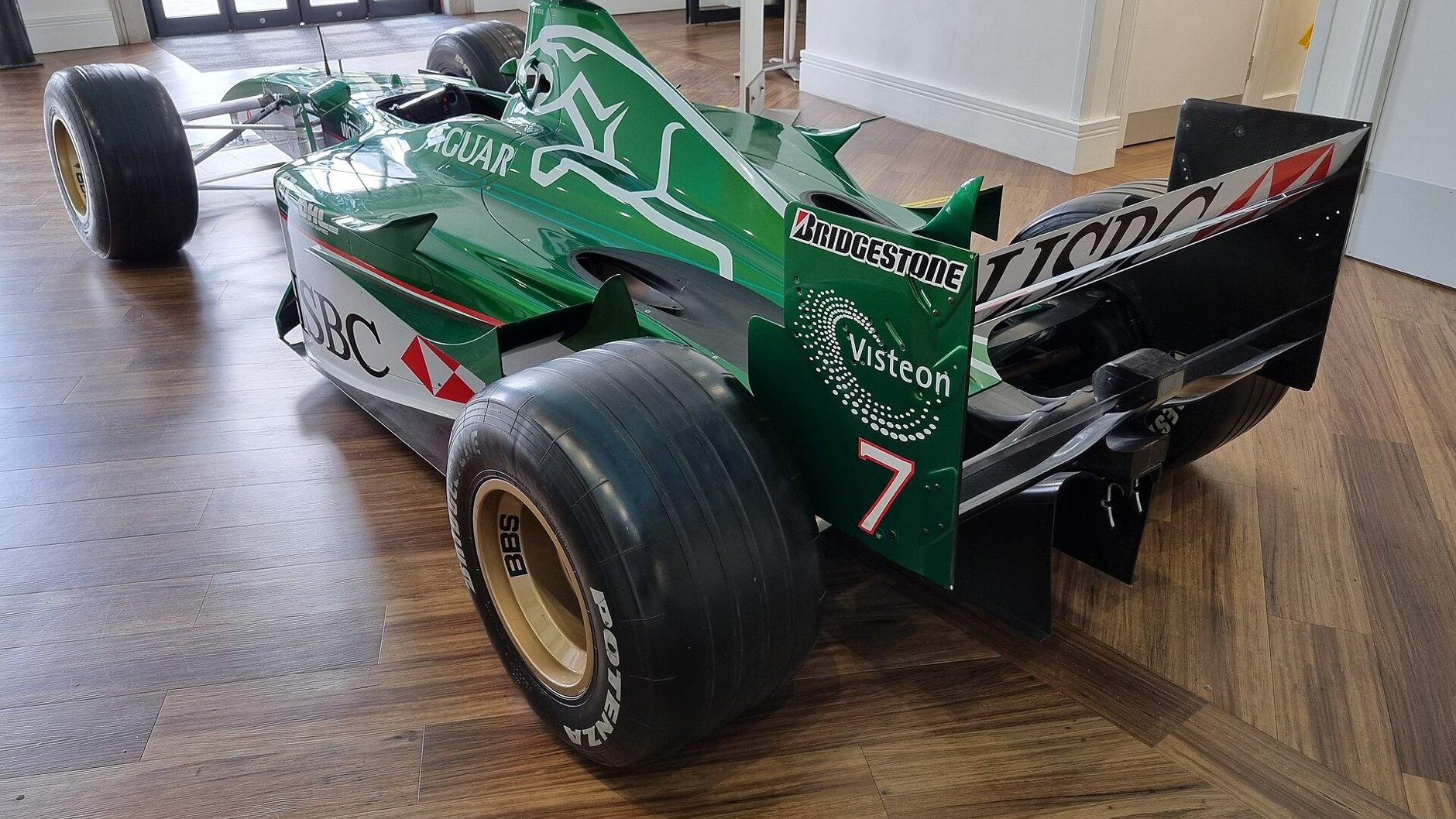
Formula 1 will scrap the engine rules it introduced this year after four seasons. On Friday the FIA, the sport’s governing body, said all of F1’s power-unit manufacturers had committed to a 2.1-litre V8 turbo engine from 2030. It will have a smaller electrical element than today’s, according to BBC Sport. Sky Sports says the framework was agreed unanimously by the FIA, Formula One Management, the teams and the manufacturers.
A rule change that admits a problem
The BBC says the move marks an acceptance that this year’s rules, with their near 50/50 split between combustion and electrical power, have been a mistake. Sky puts the electrical share at around 53%. The BBC reports that the engines run short of energy, and that power often tails off before the end of straights as batteries run out of charge.
Drivers have criticised the cars as a result. Sky reports that the rules have led to an unusual style of driving and racing, with drivers sometimes unable to push flat out. Max Verstappen, one of the most vocal critics, warned that the long straights at this weekend’s Las Vegas Grand Prix would be painful to drive.
The changes do not arrive until 2030. That leaves the current engines in use for the 2027, 2028 and 2029 seasons, so the problems drivers describe stay on the grid for three more years.
What the new engines look like
The FIA says the 2030 engine will be lighter, simpler and more cost-effective than ever, and that the advanced sustainable fuels first used this year will continue. Insiders told the BBC that the electrical element will be capped at 200 kilowatts, against 350 this year. Only half would be available all the time, with the other half used for an overtake mode.
That would give total power of 1,050 brake horsepower in overtake mode and just over 900 in standard running, the BBC reports. The capacity of 2.1 litres is reached by adding two cylinders to the current 1.6-litre V6 blocks, which is meant to reduce development costs. A budget cap for engines of $190 million (£145 million) a year is planned.
The BBC lists further targets. Power units would weigh up to 150 kilograms, about 30 less than now, and cars would weigh under 700 kilograms, down from 768. Drivers would start races with about 110 to 120 kilograms of fuel, up from around 100. The BBC adds that some details remain to be resolved.
Who pays and who loses out
Manufacturers have built engines to this year’s rules. The sources do not say what that cost, or what any manufacturer lost by agreeing to replace the units early. General Motors, backer of the Cadillac team, will delay production of its new engine from 2029 to 2030, the BBC reports. In return it loses its voting rights on current engine rules and is classed as a new manufacturer from 2030.
The sound will not return
FIA president Mohammed Ben Sulayem called the return of V8s a chance to reconnect with the DNA of the championship. He spoke of bringing back the sound, according to the FIA statement reported by the BBC and Sky. The BBC says that is unlikely to happen. The engines keep their turbos and a hybrid element, and are expected to sound not dissimilar to now.
That matters commercially, the BBC explains. A significant rise in engine noise would have put at risk some races in city centres that are important to F1, such as Miami and Las Vegas. The V8s that fans remember ran from 2006 to 2013, and a louder engine was Ben Sulayem’s original aim, the BBC says. He switched to a V8 after pushing for a naturally aspirated engine without turbos or electrical parts.
What to watch
The details still to be resolved are the next marker. Teams and manufacturers will need to finish the technical rules, and the sources give no date for that. Until then the sport has a name for the new engine and a target for 2030, and a calendar of races for 2027 to 2029 on units it has just agreed to replace.