Bad news
Meta Fined €805 Million After Facebook App Read Android Photos Without Consent
Italy's data protection authority says the Facebook app on Android accessed users' photos, videos and metadata without specific consent, with the feature on by default. Meta faces an €805 million fine, its largest in Italy, and may appeal.
This story runs on the bad side only. The biggest stories of the day are told on both sides.
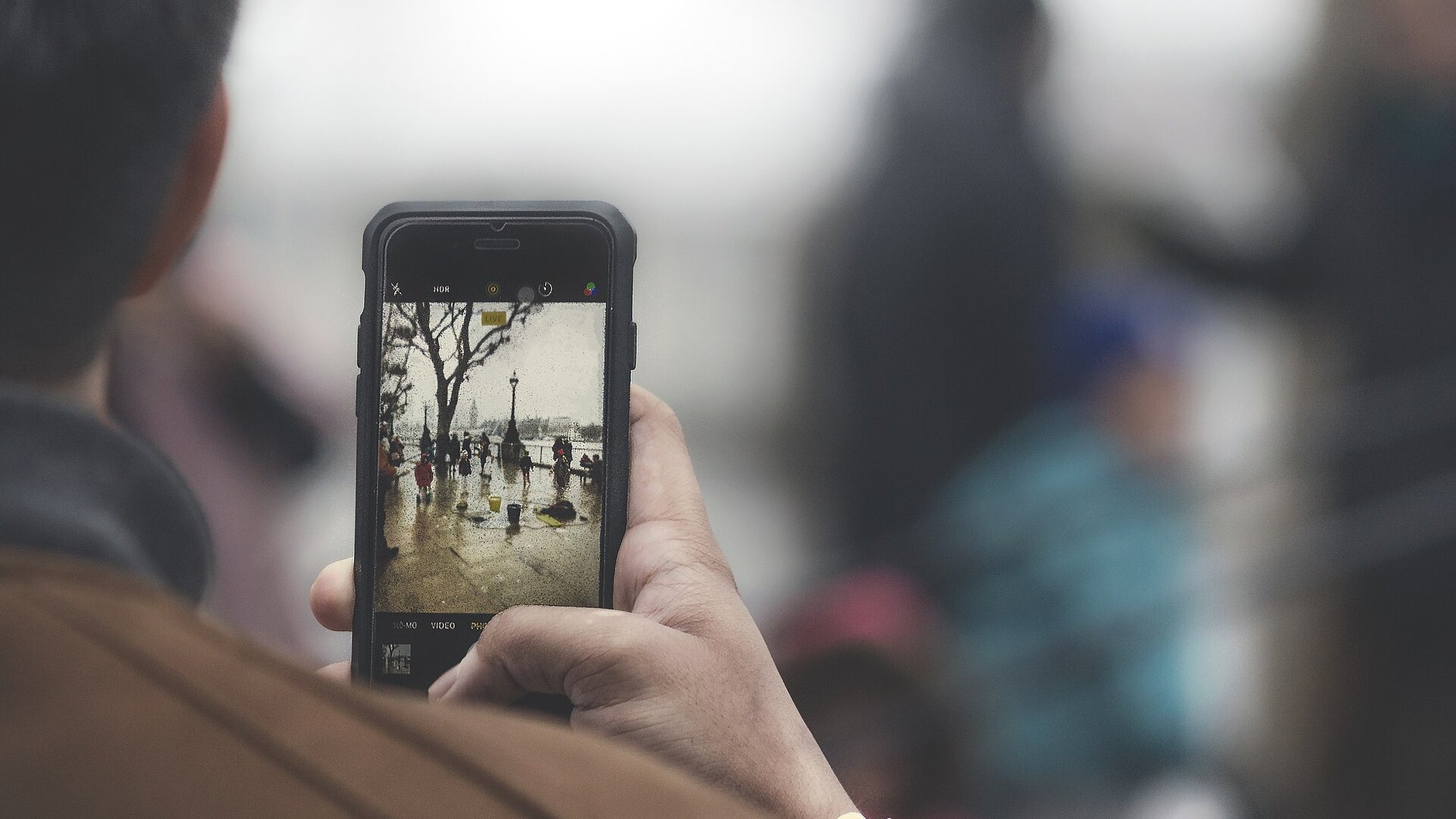
Italy’s data protection authority says Meta’s Facebook app on Android read people’s photos, videos and their metadata without asking properly. The Garante announced on Saturday a fine of €805 million ($887 million), the largest it has ever imposed. It estimates that roughly 20 million Italian Android users could have been affected.
Meta has not commented and has the right to appeal. The findings are the regulator’s and have not been tested in court.
The case turns on one feature, labelled “Get suggestions from gallery when browsing Facebook”. While a person scrolls, it offers photos and videos from the phone’s gallery as ideas for posting. The Garante says the app accessed photos, videos and associated metadata stored on Italian users’ phones without specific consent and without informing them.
Two details make the finding sharper. The regulator says the consent prompt was too generic for users to understand what they were allowing, and that the suggestions option was enabled by default. In other words, a person did not have to choose it for the app to start looking.
The harm is still running
Deutsche Welle reports that the Garante calls the number of people affected high and says the infringement is still ongoing. It continues for users who have not updated the app, and for those who already consented under the old prompt. A person who clicked yes once may therefore not know what they agreed to.
The regulator also says Meta did not cooperate with the investigation, which began in July 2025. It treated an earlier violation, punished with a fine in 2019, as a contributing factor in setting the amount. This is not a first offence for the company in Italy.
| Measure | Figure |
|---|---|
| Fine | €805 million ($887 million) |
| Share of Meta’s annual turnover | 0.4% |
| Italian Android users who could be affected | About 20 million |
| Time Meta has to change the feature | 60 days |
Table: GoodBad. Figures from Al Jazeera and Deutsche Welle reporting of the Garante’s decision, 14 November 2026.
The penalty equals 0.4% of Meta’s annual turnover, according to DW. That is a small share for a company of this size. A fine of this size is a cost the company can absorb. Whether it changes the design of a feature that has already reached 20 million phones depends on the order that came with it.
Meta has 60 days to switch off the camera-roll suggestions and to ask for permission for that function on its own, DW says. Al Jazeera adds that it must fix the unclear notice and stop the feature being on by default. Those are fixes to the prompt. The reports do not say what happens to any data the app has already collected.
The proceedings did not look at whether photos were used to train artificial intelligence. Meta denies that they were, Al Jazeera and DW report. Nothing in the decision speaks to what the company holds or how long it keeps it.
DW notes that Meta has argued before that data privacy cases against it belong with Irish regulators, where its European operations are based. The Italian authority acted under a national law that implements the EU’s ePrivacy directive, which governs access to information on a user’s device. If an appeal turns on which regulator may act, the answer will affect how far other countries can go.
Until then, the practical advice is narrow. Android users can open their phone’s settings and see whether the Facebook app holds permission to read photos and videos. If Meta does not win an appeal, the order will force a new and separate question by mid-January 2027. It will not recall what the old one let the app see.