Bad news
Vulcan Rocket Failure Destroys 40 Amazon Leo Satellites on Its Return Flight
ULA’s Vulcan failed about ten minutes after liftoff on 15 November and did not reach orbit, so all 40 Amazon Leo satellites were lost. It is the second rocket Amazon booked for the constellation to fail in six months.
This story runs on the bad side only. The biggest stories of the day are told on both sides.
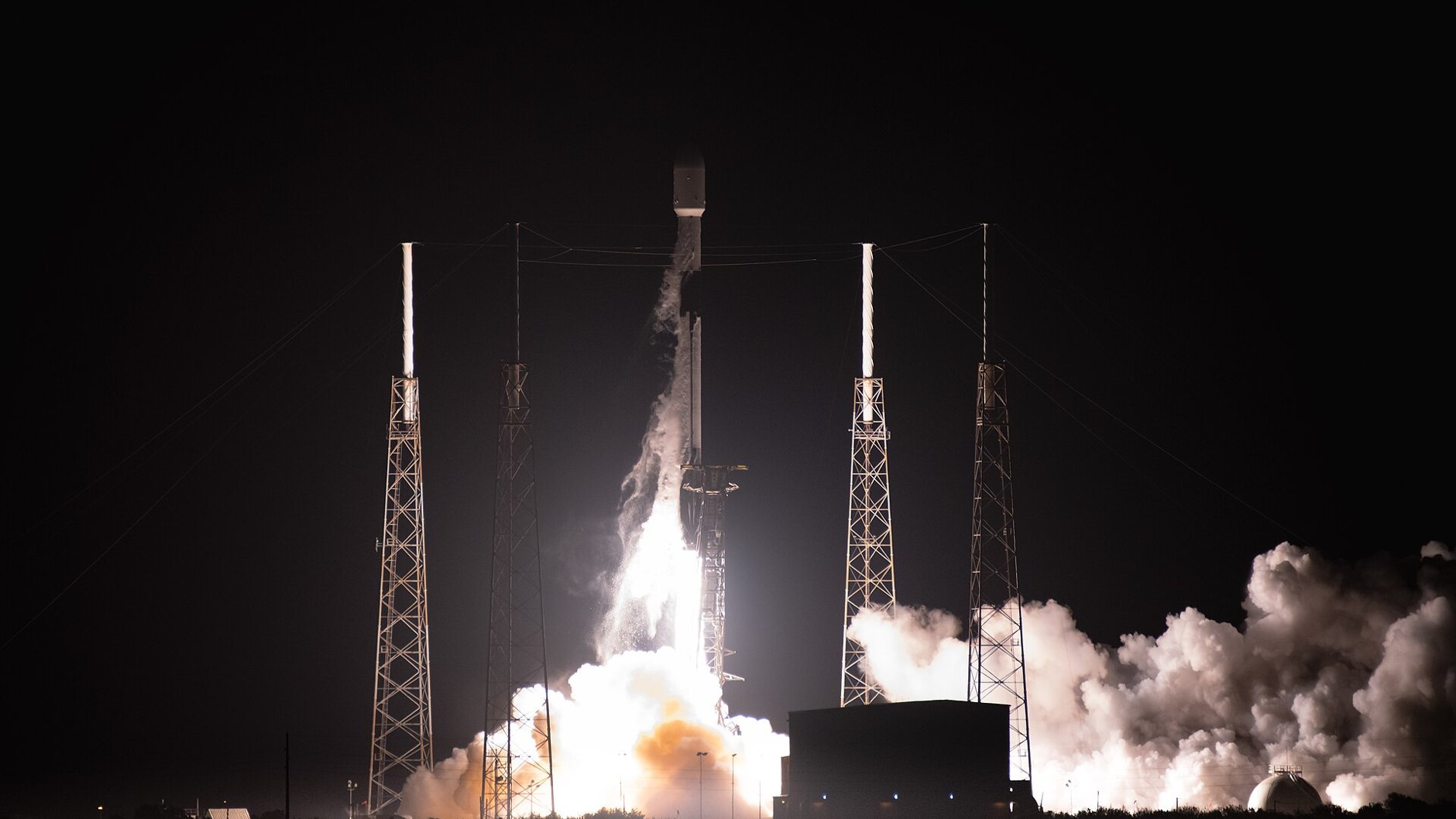
Forty Amazon Leo broadband satellites were lost on Sunday when a United Launch Alliance Vulcan rocket failed about ten minutes into its flight. The rocket lifted off from Cape Canaveral at 12:40 p.m. Eastern time on 15 November. ULA said it “failed to deliver the Amazon mission to orbit,” in a statement issued roughly 50 minutes after launch, as The Verge reports.
The company said it had no data yet to explain what happened. Spaceflight Now describes it as the first outright mission failure for a ULA rocket since the company was formed in 2006. The mission, named Vulcan Leo 1, was the fifth Vulcan flight and the first in nine months.
The solid rocket boosters, the part of Vulcan that had caused trouble before, appeared to work normally. Spaceflight Now says the two methane-burning BE-4 first-stage engines seemed to burn longer than the pre-launch timeline called for, and that the Centaur upper stage separated later than expected. Telemetry showed unusual orientation changes early in the Centaur burn.
None of this is a finding. ULA has not named a cause, and a hold at 20 seconds before liftoff, called for an unexplained technical issue, has not been ruled in or out as a factor. The launch had already slipped twice, after a nitrogen plant outage on Friday and a network fault between the rocket and ground systems on Saturday.
Vulcan came into the flight with a record that gave customers pause. On two earlier missions, in 2024 and in February 2026, a booster nozzle burned through and fell away. The US Space Force held back its national security launches on Vulcan while ULA studied the problem, though commercial flights continued. ULA’s chief executive, Mark Peller, has said the company found three credible causes and mitigated all of them, according to Spaceflight Now. Blue Origin, which builds the BE-4, also retrofitted the engines with a revised valve for this launch.
The cost to Amazon
The numbers show how little room Amazon has. The constellation is meant to reach 3,232 satellites. Space.com puts the count in orbit before Sunday at about 400, launched across 15 missions on three different rockets. By our arithmetic from the 396 that Spaceflight Now implies, that is about an eighth of the target. These 40 would have taken the total to 436.
Amazon bought 38 Vulcan launches, according to Spaceflight Now. It also booked 24 launches on Blue Origin’s New Glenn, 24 on Ariane 6 and 13 on Falcon 9. New Glenn has been out of action since a catastrophic on-pad explosion in May that was traced to an oxygen valve fault in one of its seven BE-4 engines. The same engine type flew on Vulcan on Sunday. Amazon must now wait for ULA’s investigation before flying Vulcan again, and no return date has been given.
Time is also a constraint. In June the Federal Communications Commission granted Amazon a limited waiver of its requirement to have half the constellation, more than 1,600 satellites, in orbit by 30 July 2026, Engadget reports. Under the order Amazon loses its priority status for launches after 31 July 2026. The full constellation is still due by July 2029. SpaceX had argued against the waiver, saying Amazon had launched barely six percent of the satellites it asked the regulator to approve over six years.
No source we could read gives the insurance position or the replacement cost of the 40 satellites. Nor do they say how the loss changes Amazon’s launch schedule or its commercial service plans. Two things will decide how long the delay lasts: what ULA’s investigators find, and when New Glenn returns to flight.