Bad news
Bangladesh Garment Workers Demand Double Pay as Hundreds of Factories Shut
Wage protests in Dhaka, Savar, Ashulia and Gazipur have closed several hundred garment factories. Workers want 30,000 taka a month, against a 12,500 minimum, and the government has answered with a wage board and arrests.
This story runs on the bad side only. The biggest stories of the day are told on both sides.
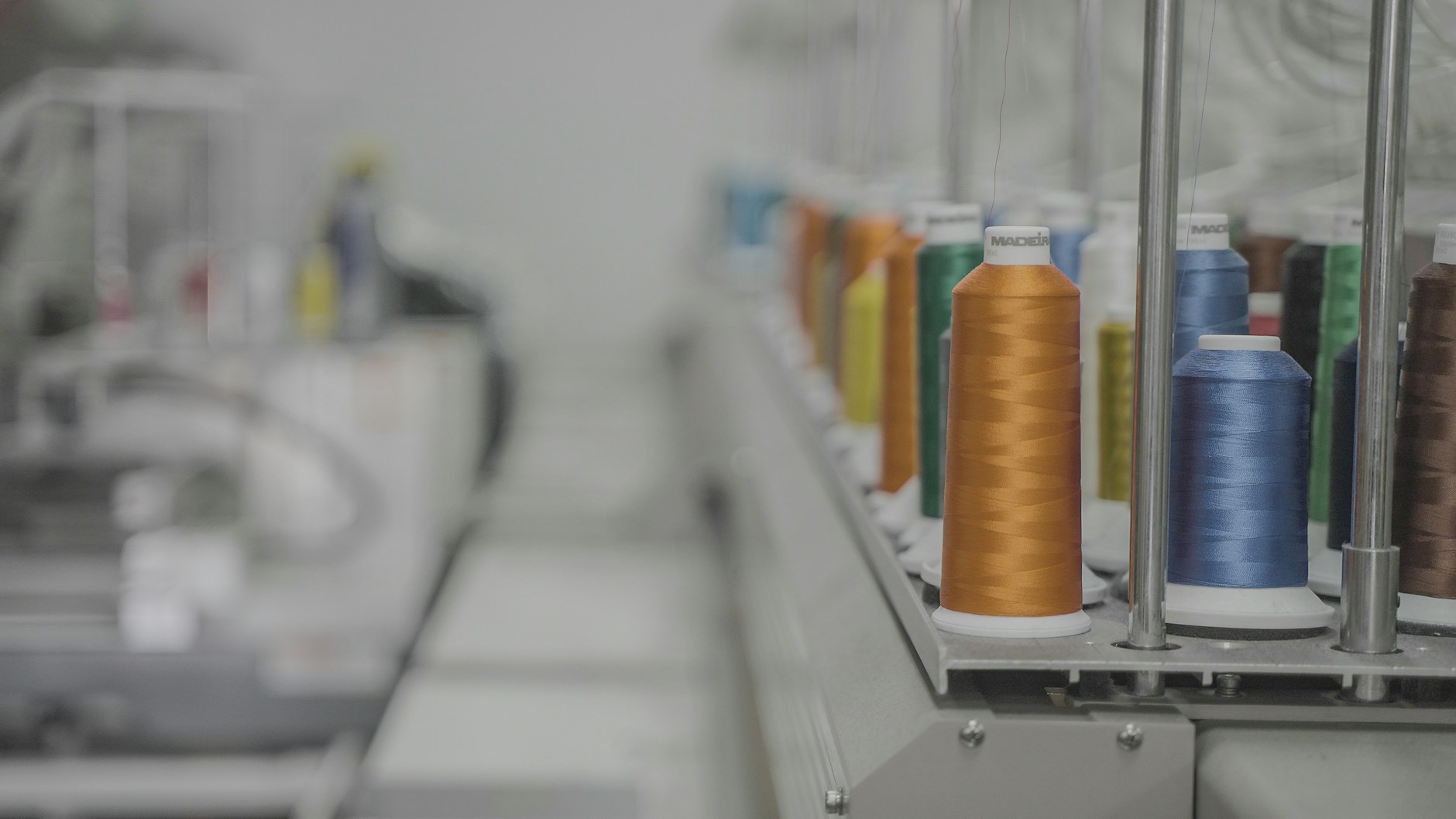
A garment worker in Bangladesh on the legal minimum earns 12,500 taka a month, about $101. After three days of protests, workers are asking for 30,000. The unrest has shut several hundred factories in the industrial belt around Dhaka, in the world’s second-largest clothing exporter.
The protests began on Saturday, Al Jazeera reports, and reached a third day on Monday in Mirpur, Savar, Ashulia and Gazipur. About 500 factories had closed by Al Jazeera’s count. The BBC puts it higher, at around 670 factories suspending work on Monday, citing Reuters and AFP, and says hundreds will stay shut on Tuesday.
The demand of 30,000 taka ($242) is 17,500 taka above the current minimum, an increase of 140 percent. The BBC says workers take home about 13,000 taka a month in practice, and that they cite higher food, cooking gas, electricity and rent costs. Babul Akhter, general secretary of the Bangladesh Garment and Industrial Workers Federation, told Al Jazeera that Bangladesh pays among the lowest garment wages in the world.
The sector is worth between $38bn and $40bn a year, according to the two outlets. The BBC puts its share of national output at about 10 percent of GDP and its workforce at around four million. Brands that source there include H&M, Primark and Uniqlo.
The government formed a wage board on Sunday to review minimum pay, and Prime Minister Tarique Rahman held an emergency meeting with ministers. Mahmud Hasan Khan, president of the garment manufacturers’ association BGMEA, said the board is already a step forward. He warned that a “no work, no pay” rule would apply if protests continued on Monday. He did not say what increase the industry could afford. Owners point to higher costs, energy uncertainty during the war on Iran and slower demand in some export markets.
Police used tear gas and sound grenades. Dhaka police said at least 29 protesters had been arrested by Monday, and the BBC reports that protests on Sunday turned violent, with roads blocked, factories damaged and vehicles set alight. Home Minister Salahuddin Ahmed threatened punitive action. Authorities have blamed the banned Awami League for stirring violence, though the BBC notes they gave no evidence.
What is still unknown
Neither outlet reports injuries or deaths, and neither gives a date for the wage board’s recommendation or a figure it might reach. The difference between the 500 and 670 factory counts shows how fast the situation is moving. Akhter, who sits on the wage board for workers, urged people to return to work while he argued their case. Whether that holds will show in how many factories reopen on Tuesday.