 Bad news
Ebola Deaths Pass 5,000 in Congo With No Approved Vaccine or Treatment
The Bundibugyo outbreak has killed 5,107 people by US count and 5,376 by Africa CDC's, with a fatality rate above 50 percent. No vaccine or treatment is approved for the strain, and the doses being tested are in short supply.

Read the good side of this story
Ebola Vaccine Trials Begin as Spread Beyond Congo Stays at 31 Cases
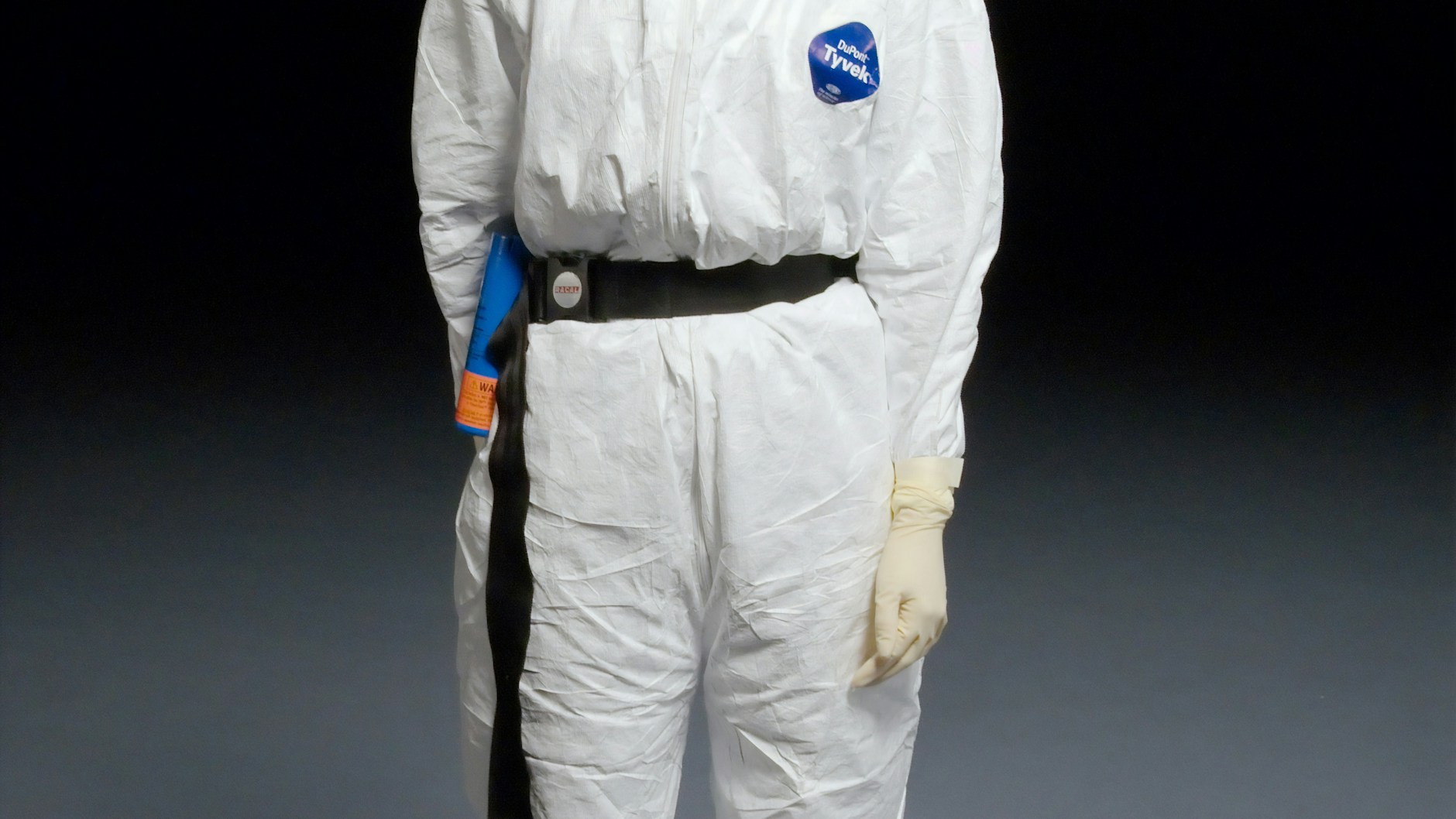
More than half of the people infected in Congo’s Ebola outbreak have died. The US Centers for Disease Control and Prevention counts 5,107 confirmed deaths among 10,498 confirmed cases as of 31 October. Africa CDC puts the toll higher, at 5,376, in figures given to AFP on Monday, which describes the outbreak as the fastest-growing and most widespread on record.
The CDC says its totals exclude suspected cases pending investigation, which may explain some of the gap. Neither source gives a reconciliation. Congo declared the outbreak in mid-May, and Al Jazeera calls it the country’s 17th Ebola outbreak and its largest.
A strain with nothing approved
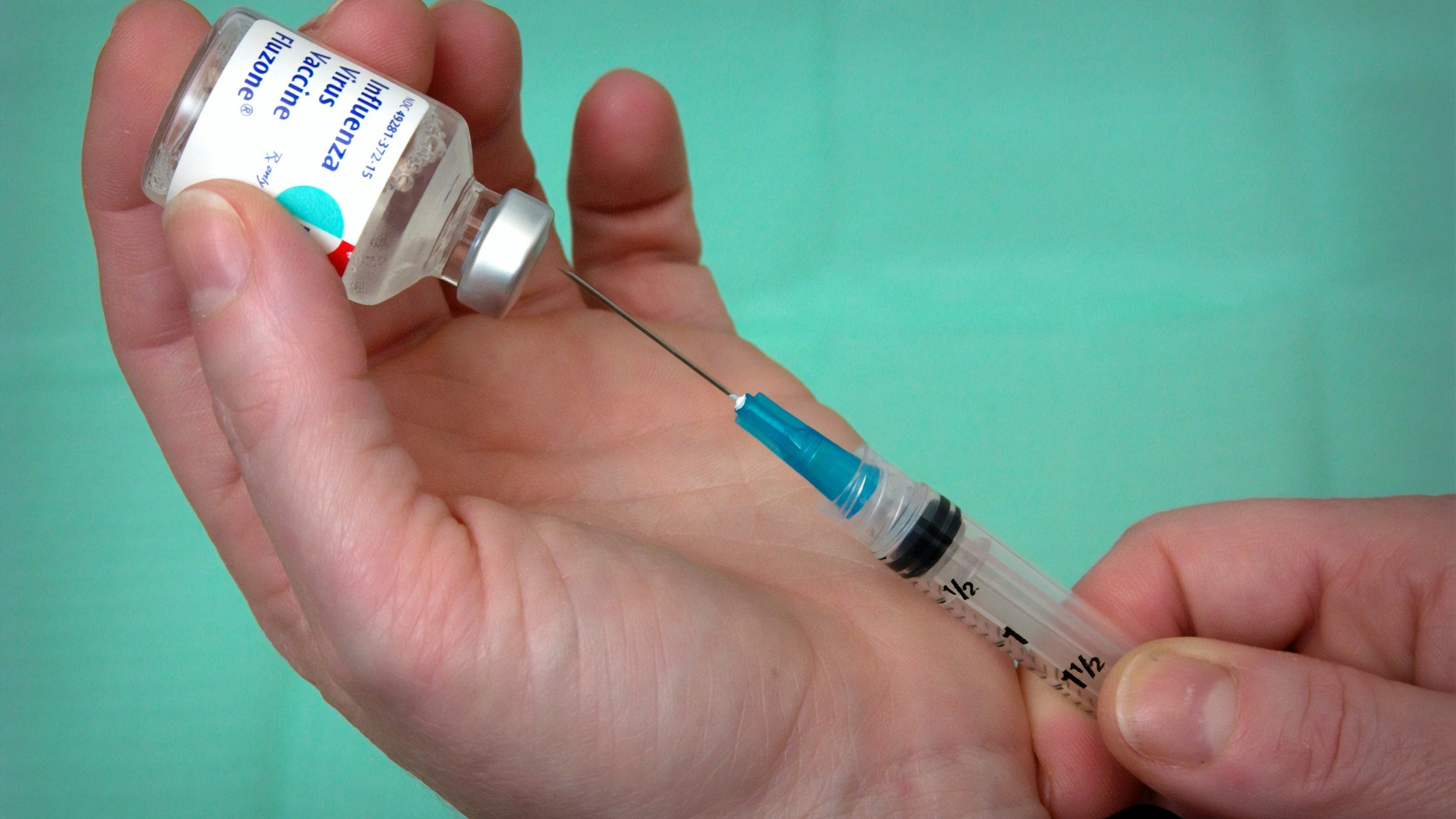
The cause is the Bundibugyo strain, which is rarer than the Zaire strain behind earlier outbreaks. No vaccine or treatment is approved for it, so health workers treat symptoms. Ervebo, which works against Zaire, has begun trials in Congo in recent weeks to see whether it protects against Bundibugyo too. Nobody yet knows.
Congo’s health ministry is already giving Ervebo, according to a technical brief from Médecins Sans Frontières (MSF) published on 2 November. The brief says its effectiveness against this strain is unproven. MSF also warns that supply could be constrained by manufacturing problems, and asks Merck Sharp & Dohme to send every dose made in the coming months to the global stockpile. It asks wealthy countries not to reserve more than they immediately need.
Where the burden falls
| Country | Confirmed cases | Confirmed deaths |
|---|---|---|
| Congo | 10,467 | 5,103 |
| Uganda | 20 | 2 |
| Kenya | 9 | 2 |
| Nigeria | 1 | 0 |
| France | 1 | 0 |
Source: CDC situation summary, case counts as of 31 October 2026 (Kenya as of 23 October). Suspected cases are excluded.
Eight Congolese provinces are affected, and the CDC advises against all travel to Ituri and North Kivu. The virus has crossed borders several times. Kenya recorded its first Ebola cases in October, all in Nairobi, and Nigeria reported its first imported case on 20 October, a 42-year-old Swiss woman, according to the AFP account. Health authorities in Nigeria said later tests on two further suspected cases were negative.
Outside Congo the picture is less severe, and it should be said plainly. Of the 31 confirmed cases elsewhere, Uganda’s last patient left care on 16 July and France’s single patient was released on 4 July, and the CDC reports no community spread in Kenya. Spread across borders is limited so far. The weight of the outbreak sits inside Congo, where 10,467 people have been confirmed infected and where treatment is supportive care only.
What would change the outcome
The first thing is evidence. The trials of Ervebo and of candidates built for Bundibugyo itself, including the BRAVO study and the Tumaini trial that MSF is running or supporting, are the route to a licensed product. The second is supply, which MSF argues should be planned before results arrive rather than after. Its brief names four candidates, including two built specifically for Bundibugyo, and says none has a clear plan yet for reaching the people most at risk.
Travel rules are moving too. From 11:59 pm Eastern on 3 November, passengers on international flights to the United States must attest that they have not been in Congo in the previous 21 days. The CDC says no US cases have been confirmed and the risk to the American public is low. For people in the worst-affected provinces, the nearest protection is still a vaccine nobody can yet say works.