 Bad news
Viral ‘Emergency Alert’ Posts Turn Three-Day Stockpile Advice Into War Panic
Posts claiming dozens of governments are quietly readying citizens for war are spreading fast. The advice they cite is real, but it asks for three days to a week of supplies, and much of it is more than a year old.
This story runs on the bad side only. The biggest stories of the day are told on both sides.
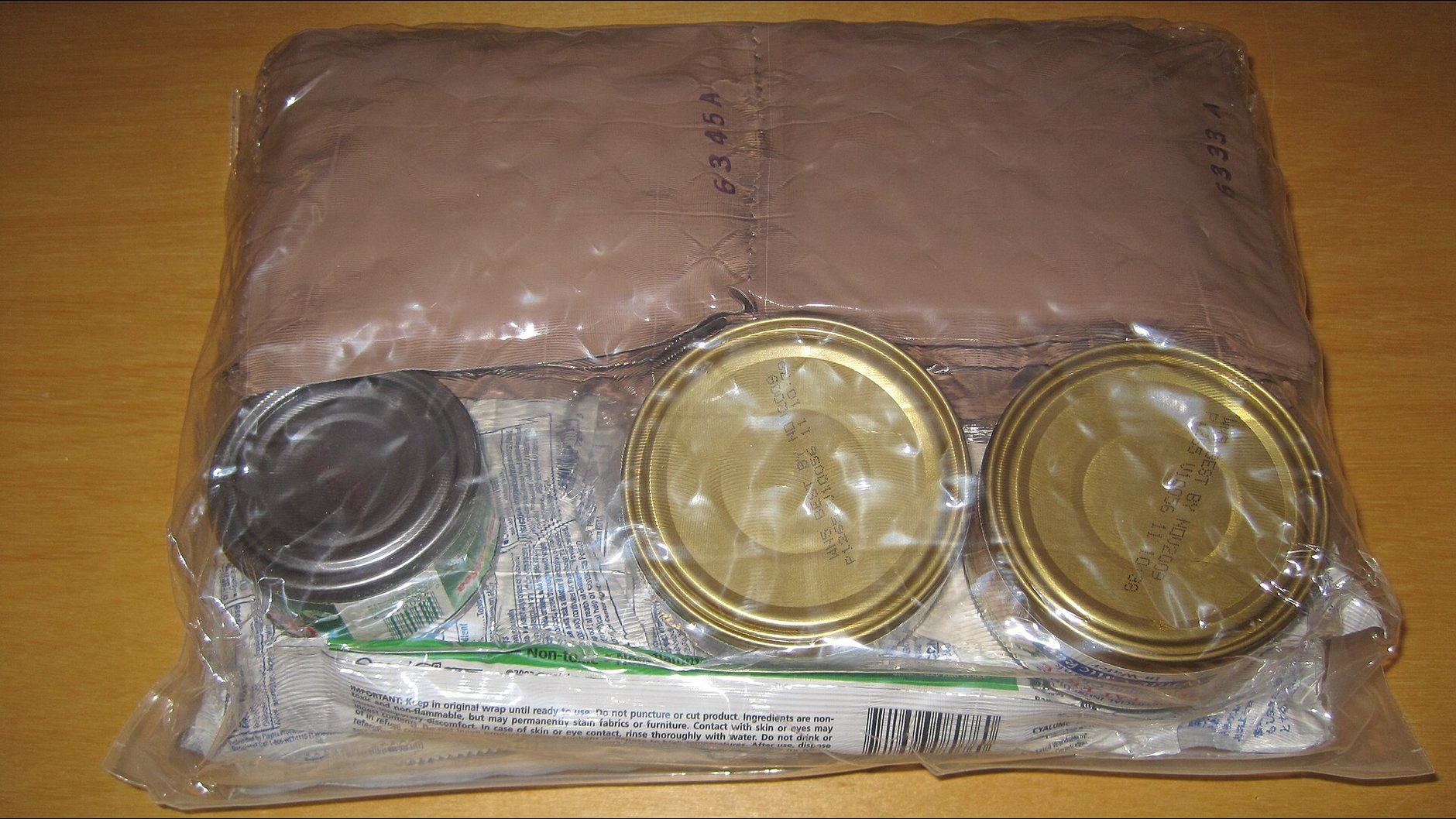
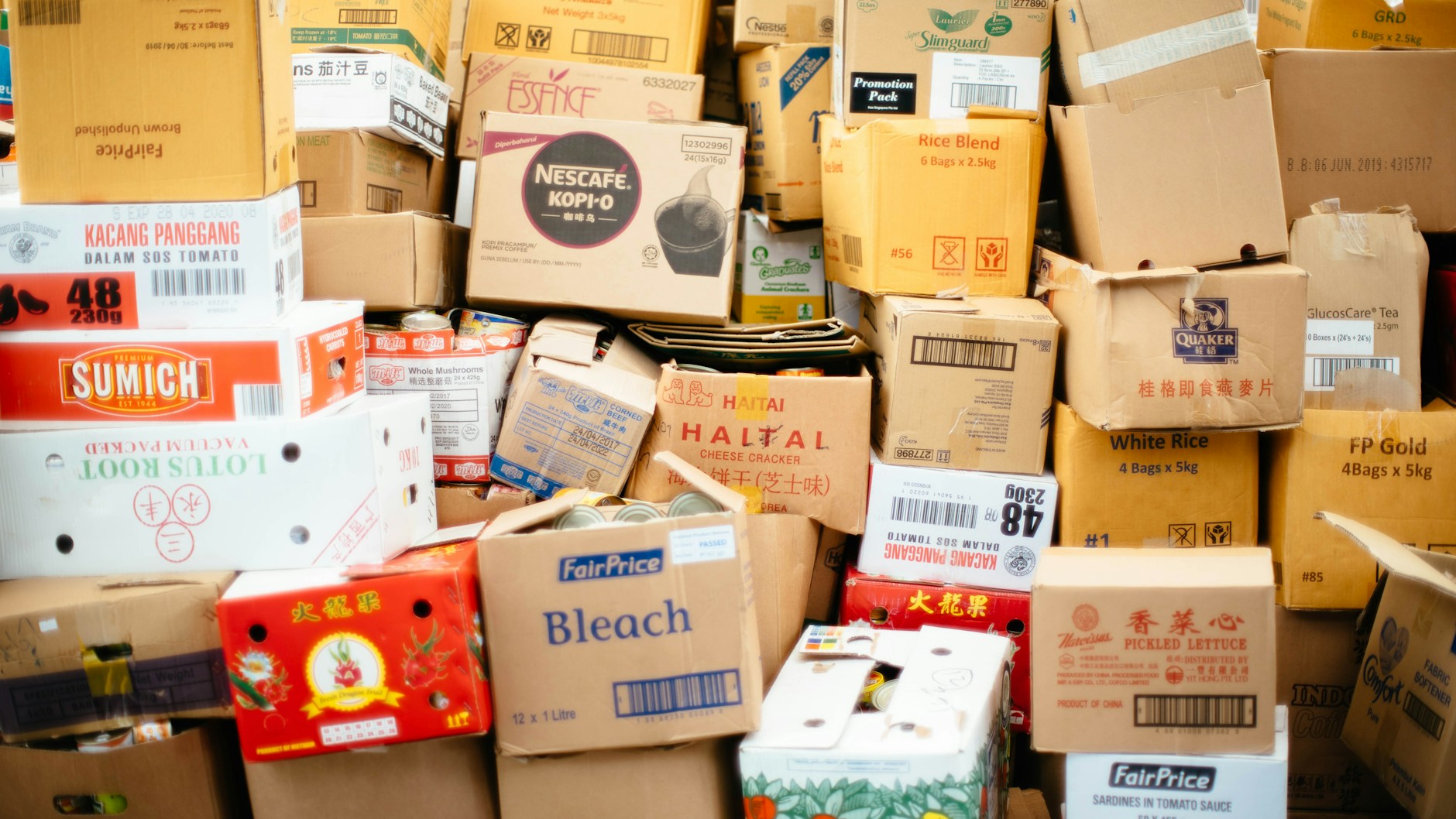
Feeds this autumn are full of red sirens, world maps and countdown captions built from one claim: governments everywhere are telling people to stock up, so something big must be about to happen. The posts stitch together preparedness advice from dozens of countries and present it as a single warning. A fact check by the Philippine outlet Radar, published on 28 October, found that most of the official advice asks households to cover three to seven days, not the months some posts imply.
What the advice actually says
Britain’s Cabinet Office launched its Be Ready campaign in October 2026, according to Radar. It asks households to be ready for 3 days, with 3 litres of drinking water per person per day, food that keeps, medicines, a radio and cash. The campaign names no particular threat and points instead to everything “from severe weather to cyber attacks”. The European Commission asked member states on 26 March 2025 to help citizens be self-sufficient for at least 72 hours, Euronews reported that day.
Sweden’s civil defence agency tells people to manage on their own for at least a week, advice it sent to about 5.2 million households in a 2024 brochure, Radar reports. Norway raised its advice from three days to a week in May 2024. Germany goes furthest at 10 days, though Radar gives no date for that guidance.
Where the “three months” comes from
The most alarming line, that the Pentagon is preparing for three months without supplies, is about military bases, not homes. The FORTRESS initiative was announced on 30 September. Under it, every major base in the continental United States would be expected to run its own power, water, fuel and communications for at least 90 days. The War Zone reported on 26 October that the figure comes from documents seen by Fox News, and that it was unclear whether the Pentagon had confirmed it. Nothing in it applies to households.
What is real
The fear has a source. The war between the United States and Iran has run since February. On 30 October Thailand’s foreign minister, Sihasak Phuangketkeow, said evacuation plans for Thai workers in the Middle East were ready if fighting escalates. He spoke after foreign media reported a possible new US operation, The Nation reports. The same day a tanker in the Strait of Hormuz was struck by explosives attached from a small boat. Brent crude ended October 13.6% higher, with the December contract settling at $117.64 a barrel, The Nation reports, citing Reuters.
So the real risks this month are a war and the price of oil. The household advice is the slow, standing kind that predates both. Radar notes that the kits are voluntary and can be built gradually, without panic buying, which is the opposite of what a siren and a countdown ask a reader to do.