Good news
Oxford Returns 39 Naga Ancestors to Nagaland in a Process Begun in 2020
The Pitt Rivers Museum handed 39 sets of ancestral remains, mostly skulls, to Naga representatives on 9 November. The return followed a Naga-led process that began in 2020, and the remains will be buried in a memorial park.
This story runs on the good side only. The biggest stories of the day are told on both sides.
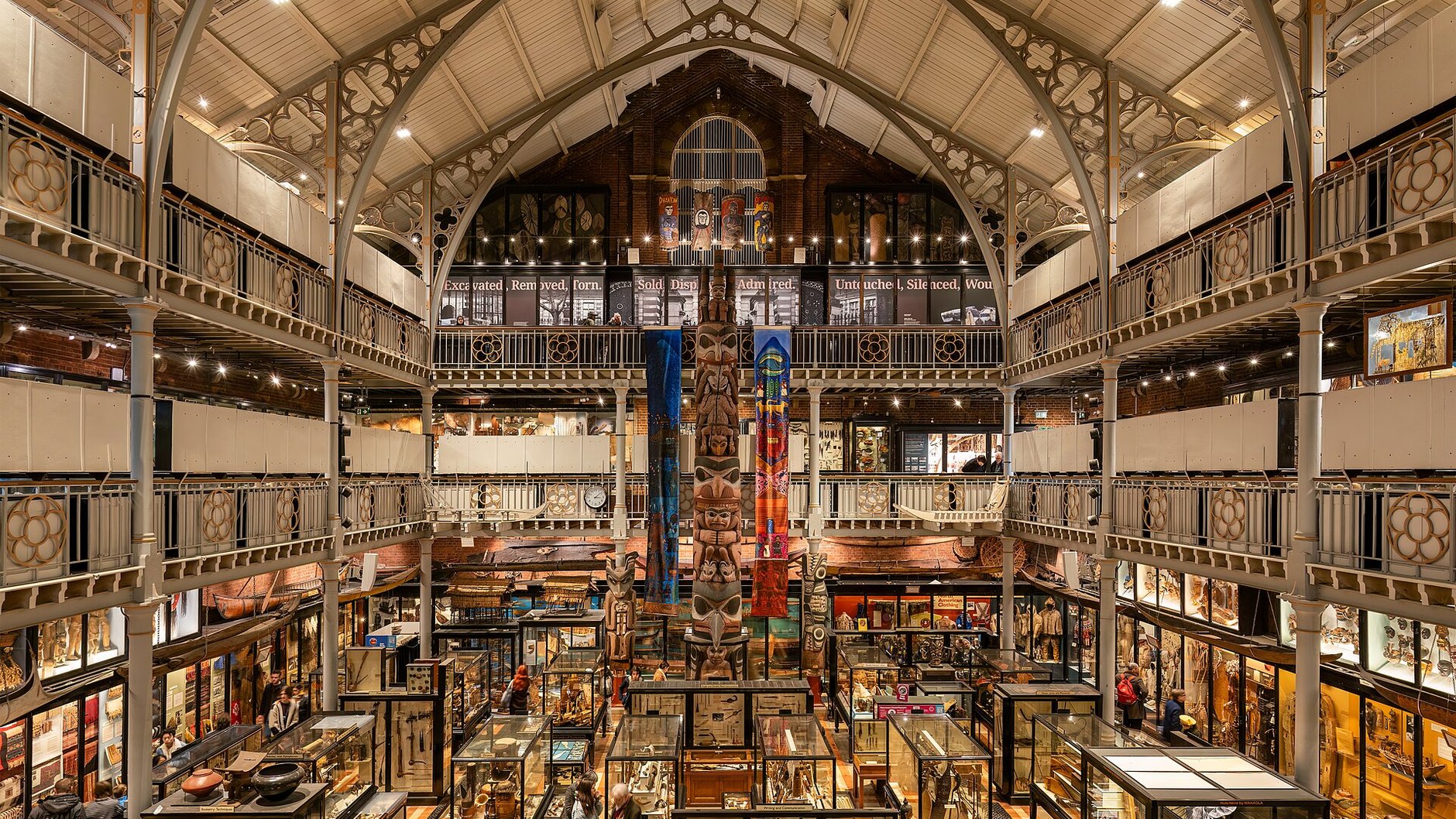
On 9 November, the University of Oxford handed back the remains of 39 people taken from the Naga community during British colonial rule. Representatives of the Forum for Naga Reconciliation (FNR) and the Naga Tribe Hoho received them at a ceremony at the Pitt Rivers Museum, according to the museum’s account of the return. About 30 people travelled from Nagaland, a hill state in north-east India, for the handover, the BBC reports.
The remains, most of them skulls, are now on their way to Nagaland. Naga leaders plan to bury them together in a memorial park, which the BBC says they describe as a respectful rest.
A return led by the Naga
The museum describes the return as the end of a Naga-led process of dialogue, research and reconciliation that began in 2020. That was the year the museum removed all human remains from public display. Naga partners describe the handover as a step on a longer path to healing, not an ending.
Dolly Kikon is an anthropologist from Nagaland’s Lotha Naga community who now works at the University of California, Santa Cruz. After the removal she contacted the museum’s director, Laura Van Broekhoven, and offered to connect her with the community, ARTnews reports. The work then ran through the FNR, tribal Hohos (councils), elders and churches across the Naga homeland.
| Date | Step |
|---|---|
| 2020 | Museum removes all human remains from display |
| June 2025 | First formal Naga delegation to the museum; Naga-Oxford Declaration on Repatriation signed on 13 June |
| 13 July 2026 | Oxford’s University Council agrees to return 39 remains |
| 9 November 2026 | Transfer of Title Form signed; remains handed over |
Dates from the Pitt Rivers Museum’s account of the return.
What the museum decided
The University Council met on 13 July and agreed to return 39 ancestral remains. It declined to return one further remain because its Naga provenance is not clear, the museum says. On 9 November, the Council transferred custodianship to the Naga people through the FNR and the Naga Tribe Hoho. Van Broekhoven signed the Transfer of Title Form for the museum, and Rev. Dr Wati Aier signed for the FNR.
The museum holds more than 6,000 objects connected to Naga culture, which the BBC says is believed to be the largest collection of its kind. Most arrived between 1910 and 1940, collected by two colonial administrators who were also anthropologists: John Henry Hutton and James Philip Mills.
Why the return was asked for
The museum’s own account is direct about how the collection grew. Collecting was “not the neutral, scholarly activity the word implies,” it says, and remains and objects were often taken during punitive military expeditions. In 1936 Mills went with an armed escort to Pangsha village to demand heads. He remarked that the museum would “get some fine specimens.”
Naga leaders reject the idea that the remains were trophies. The museum notes that the Nagas have consistently challenged that framing, and that evidence suggests many of the heads were of loved ones who had been cared for by clan and village members. One of the skulls returned is a chief’s, according to Kikon as quoted by ARTnews. Thejao Vihienuo, a tribal leader, told AFP that he doubted anyone would have given a father’s or grandfather’s skull away freely, the BBC says.
Two accounts of the same history
The museum and the Naga leaders do not describe the past in the same terms, and the museum says so openly. Head-taking was practised in the region, the BBC notes, and the Naga also kept the heads of their own chiefs at the centre of villages. The museum’s record keeps both facts in view. It treats the collecting as an act embedded in colonial power, and it treats the Naga view of the remains as the one that should decide where they go.
What it means for the community
Dr Vihuto Asumi, president of the Sumî Hoho Naga tribe, told ARTnews that the community believes the spirits of the dead are still not at rest after more than a century away. He expects the burial to bring spiritual healing, both to the ancestors and to everyone who died in the headhunting era. The Naga delegation also met descendants of one of the anthropologists involved in the collection, the BBC reports.
The practical next steps sit with the Naga side. The remains travel to Nagaland and will be buried under one joint memorial in a park, according to the BBC. Neither source gives a date for the burial.
How it compares
The Pitt Rivers Museum has returned human remains before. The BBC lists earlier returns to Indigenous communities in Australia, New Zealand and the United States. The museum’s own record describes the Naga case as the culmination of a process, not a one-off decision, and says the Naga-led partnership began before any formal request.
What is not returned
The return covers only the 39 ancestors. The museum’s wider Naga collection numbers several thousand objects. Within it, 219 items are listed as Naga human remains: the 39 ancestral remains and 178 objects that contain, or may contain, human hair. Neither source says what will happen to those 178 objects, or to the one remain whose provenance is unclear. The museum’s account says the Naga partners see the work as continuing.
The order of events is clear. The museum stopped displaying remains in 2020, the Naga partners led the dialogue, a formal claim followed, and the Council decided in July 2026. A signed transfer came on 9 November. The Naga partners now take over the part the museum could not do for them, which is bringing their dead home and laying them to rest in a place of their choosing.