Bad news
Very Strong El Niño Is Now Likely Through March as Kenya Braces for Floods
NOAA puts the chance of a strong-to-very strong El Niño through January–March 2027 above 79%. In Kenya, officials say up to 100,000 people in low-income settlements could be at risk, and Somalia counts 1.2 million at risk of displacement.
This story runs on the bad side only. The biggest stories of the day are told on both sides.
The El Niño now building in the Pacific is stronger than it was a month ago, and forecasters say it is not finished. The US Climate Prediction Center said in its 12 November update that a strong-to-very strong El Niño is likely through January–March 2027, with a chance above 79%. Sea surface temperature anomalies in the eastern equatorial Pacific exceeded 4.0°C. The centre puts the odds of a historic event, one beating every El Niño since 1950, at about 60%.
What the forecasters measured
The Niño-3.4 index, a standard gauge of the event, reached +2.5°C, the centre says. Two other indices were higher: +3.6°C in the Niño-3 region and +4.4°C in Niño-1+2. Heat below the surface also remains well above average, with anomalies above +10.0°C at depth in the eastern Pacific. Rainfall is enhanced from the central to the eastern Pacific and suppressed over Indonesia.
The centre expects El Niño to keep strengthening and begin weakening in early 2027. It adds a caveat: even in a very strong event, local impacts are more likely but not guaranteed. The next update is due on 10 December 2026.
Kenya counts its exposed
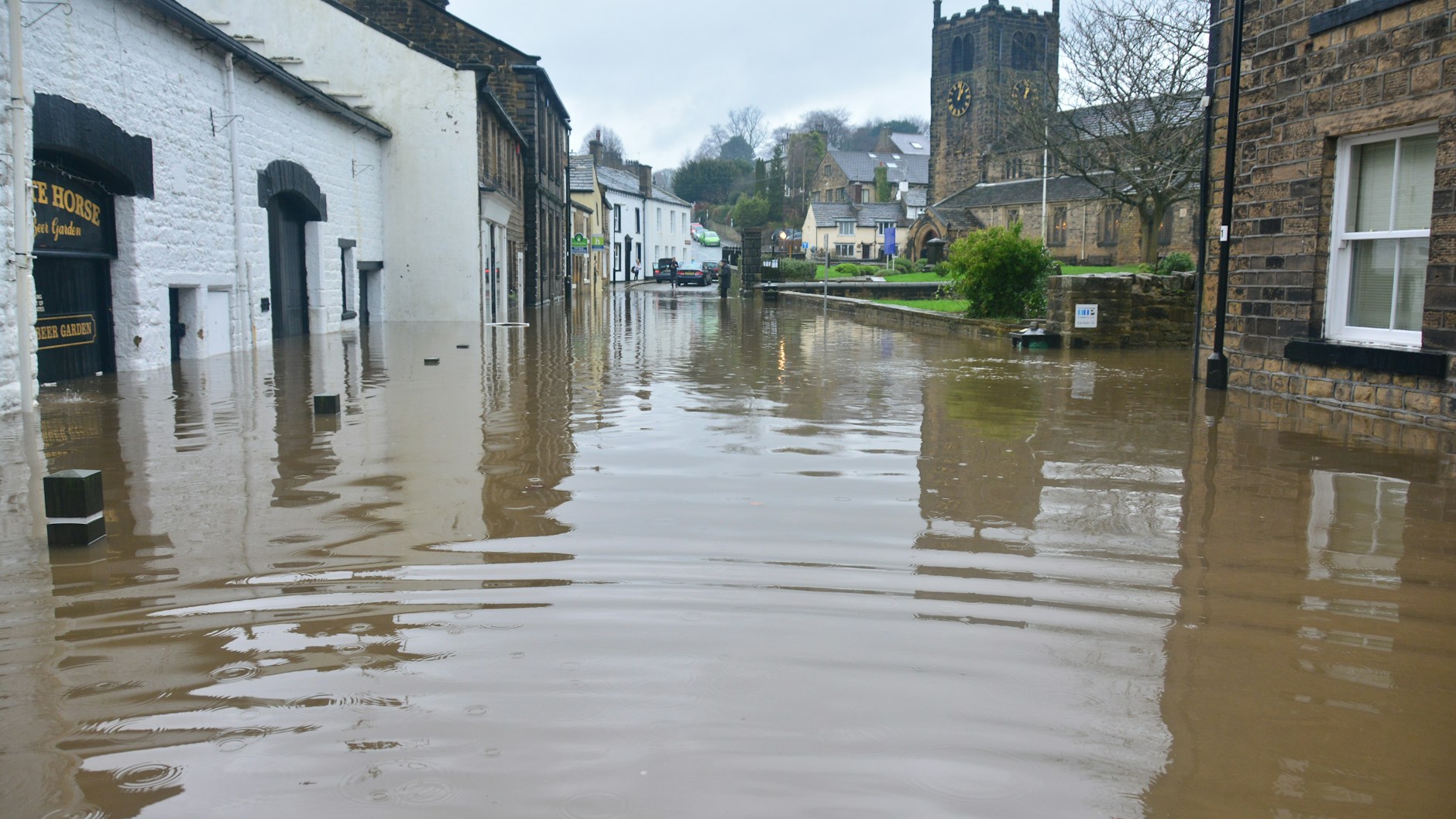
The BBC reports that Kenya is preparing for floods in the short rainy season, which normally runs from October to December, with November usually the peak month. A regional forecast from the Intergovernmental Authority on Development said in September that there was an 81% probability of a very strong El Niño during October–December 2026. The heavy rains have not yet arrived, the BBC says, but experts remain concerned.
Bramwell Simiyu, Nairobi County’s disaster management chief, told the BBC that in the worst case up to about 100,000 people in low-income settlements are at risk. A moderate projection is about 5,000 households, or 20,000 people. Anyone forced to leave their homes would be moved to 167 designated holding grounds with stockpiled relief food and supplies.
Floods earlier this year killed more than 60 people in Kenya, according to the BBC. Blocked drains and inadequate sewage systems were widely blamed. Simiyu said the drainage system was built 30 years ago for about 2.5 million residents, and the city now has about seven million in the daytime and 5.5 million at night. He estimated that up to $192 million is needed to upgrade drainage and sewerage entirely. The BBC says there is little sign that the cash-strapped national or city council can raise that money.
Beyond Nairobi
The International Organization for Migration has warned that almost 900,000 people in Kenya could be forced to leave their homes this year, mostly because of predicted floods, the BBC reports. In neighbouring Somalia, the disaster management agency says 1.2 million people are at risk of displacement from extreme weather, including both floods and drought. The BBC notes that the 1998 floods there killed 2,000 people and displaced 250,000, according to the Food and Agriculture Organization, and destroyed up to 80% of crops in some areas. The UN famine warning system IPC has warned of increased food insecurity risk in Somalia.
Forecaster Jemima Gacheru told the BBC that this season combines a very strong El Niño with a positive Indian Ocean dipole, a pairing seen in 1997. In other parts of Africa the fear is the opposite. Forecasters expect extreme heat and long dry spells that could threaten crops in West Africa, the Sahel and southern Africa, the BBC says.
What would change the outcome
Kenyan authorities have intensified river clean-up work under a programme called Climate Worx since August, clearing rubbish from riverbeds and drains. A government river regeneration programme has recommended buffer zones and humane relocation of people living beside rivers. The BBC notes that rising poverty has pushed many people to live close to rivers. The CPC’s next update on 10 December will show whether the event has peaked.