Good news
Wolbachia Mosquitoes Cut Dengue and Chikungunya Infections 69% in Brazilian Children
A four-year study of more than 5,700 children in Belo Horizonte found about 69% fewer dengue and chikungunya infections where Wolbachia-carrying mosquitoes were released, including through Brazil’s severe 2024 outbreak. The results come from a conference presentation.
This story runs on the good side only. The biggest stories of the day are told on both sides.
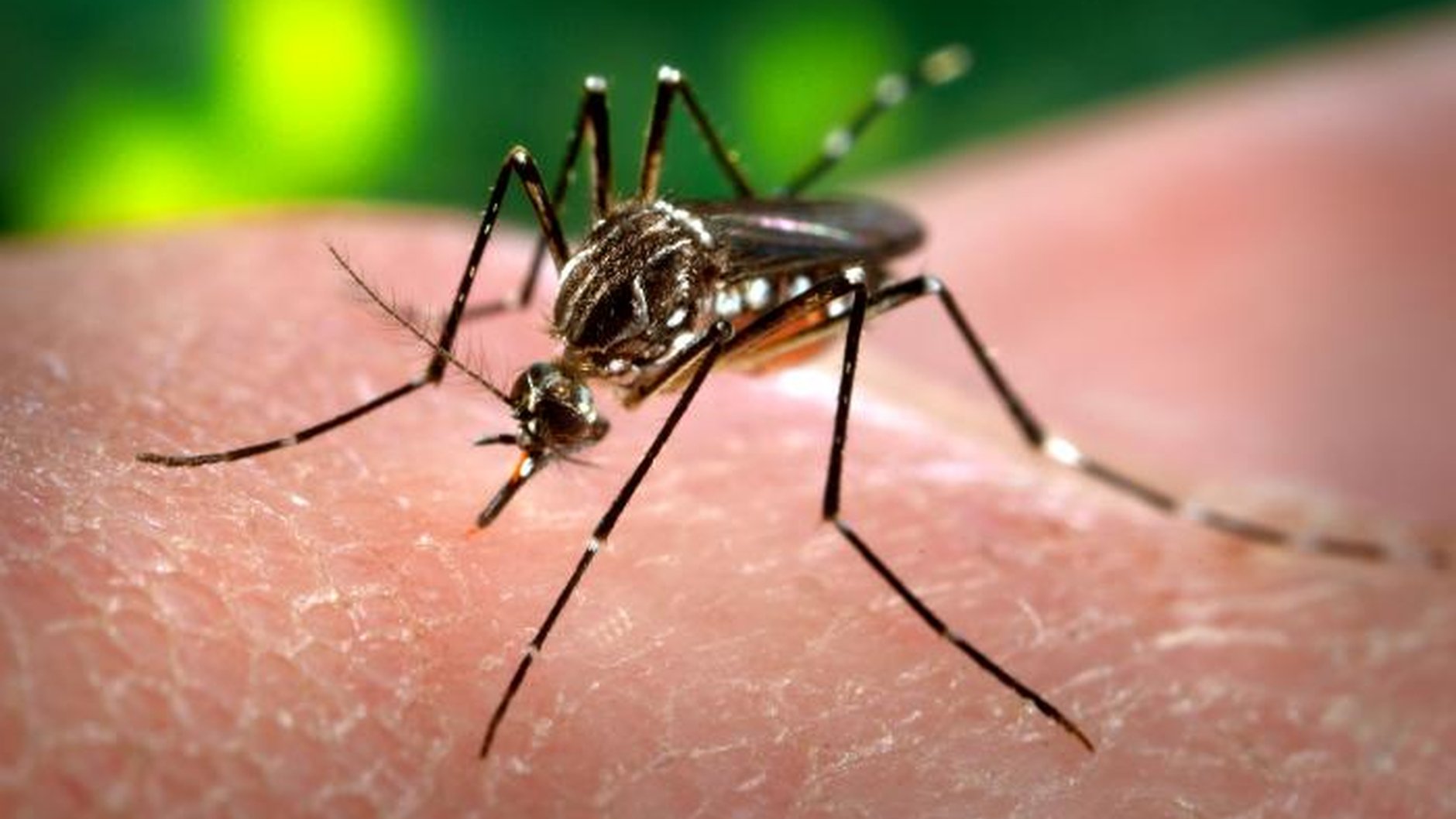
Children who lived in Brazilian neighbourhoods seeded with Wolbachia-carrying mosquitoes were about 69% less likely to be infected with dengue or chikungunya than children in similar neighbourhoods without them. The result comes from a four-year study of more than 5,700 children in Belo Horizonte. Dr Sri Edupuganti of Emory University, part of the international research team, described it to the Associated Press, which reported it on Saturday.
The findings were presented at a meeting of the American Society of Tropical Medicine and Hygiene. The reports do not say the study has yet appeared in a peer-reviewed journal, so the numbers are the team’s own account. Still, the design is the kind that earns attention: the neighbourhoods were chosen at random, and the outcome was measured in blood.
How the study worked
All the participating neighbourhoods received the same pesticide treatments and other mosquito-control measures. Researchers then randomly chose half of them to receive releases of mosquitoes carrying Wolbachia, a bacterium that is common in insects and harmless to people. It is not normally found in Aedes aegypti, the species that spreads dengue.
Wolbachia sharply reduces a mosquito’s ability to pass on certain viruses. Females hand the bacterium to their offspring, so releasing enough of the specially bred insects, males and females, lets it settle into the local population over time.
The team did not rely on hospital diagnoses. Many people with mild symptoms never see a doctor, so researchers tested children’s blood for signs of dengue, chikungunya and Zika infection. That catches infections a clinic count would miss, and it makes the comparison harder to dispute.
| Detail | What was reported |
|---|---|
| Place | Belo Horizonte, Brazil |
| Children followed | More than 5,700 |
| Length | Four years |
| Reduction in dengue and chikungunya infections | About 69% |
| Held during Brazil’s 2024 outbreak | Yes, according to Edupuganti |
| Effect on Zika | Not established, too few cases |
Table: GoodBad. Figures from the Associated Press report of the conference presentation, 21 November 2026.
Why the 2024 result matters
The protection held through Brazil’s severe outbreak in 2024, Edupuganti said. That is the year the strategy was most tested. The World Mosquito Program, the non-profit behind the method, says Brazil confirmed 6 million dengue cases by June 2024. That is up from just over 1.6 million in all of 2023.
A reduction that survives a surge matters more than one measured in a quiet year. Dr David Hamer, a global health expert at Boston University, was not part of the study. He called the result exciting and said pairing more Wolbachia releases with existing control measures could push dengue to much lower levels in many places.
Field trials in Indonesia and elsewhere had already shown the approach can significantly lower dengue diagnoses, AP reports. The new study adds a design based on blood tests and a setting with a major outbreak. Each of those answers a doubt that earlier results left open, about undiagnosed mild cases and about performance under pressure.
What it means beyond Brazil
Dengue is no longer only a tropical problem. Florida is dealing with an unusually large outbreak, which appears to be the biggest in any US state since at least the 1940s, according to AP. As of Friday, state health officials had counted more than 650 locally acquired cases, about three-quarters of them in Hillsborough County, which includes Tampa. In the continental US, dengue is usually found in people who travelled abroad.
Nothing in the reports says Wolbachia mosquitoes are being released in Florida as a response, and the Brazilian result does not by itself change a county’s plans. It does give officials elsewhere stronger evidence for a method that works alongside spraying and bite prevention, rather than replacing them.
How far the method has already spread
The World Mosquito Program says it works in 11 project sites in Brazil, which it says have reached more than 4 million people over 1,330 square kilometres. It reports that large-scale deployments began in 2017 and that its method was brought to Brazil by the Oswaldo Cruz Foundation (Fiocruz) under the guidance of the Ministry of Health. The program is a not-for-profit group of companies owned by Monash University, and these figures are its own.
First releases in Brazil began in Rio de Janeiro in September 2014 after government approval and community support, according to the program. That timeline suggests the method has been refined over a decade of fieldwork, not invented for this study. The program says it spent more than two years monitoring mosquitoes and working with communities before its first release.
What is still unknown
Three gaps stand out. The researchers could not say whether the releases cut Zika infections, because there were too few cases to judge. The reports give no cost per person protected, so a reader cannot yet compare the method with spraying or vaccines. And they do not say how long the protection lasts beyond the four years studied.
The full paper will answer some of that. Until it appears, the safest reading is the narrow one. In one large Brazilian city, a randomised comparison found roughly seven in ten fewer dengue and chikungunya infections among children where the mosquitoes were released.
What happens next
The study team and the World Mosquito Program have not announced new sites in these reports. The practical test is whether health ministries add Wolbachia releases to their dengue plans, and whether a published paper confirms the numbers presented this week.