 Good news
Senegal Wins Its First Youth Olympic Golds on Sand It Knows
Teenagers Elisabeth Diatta and Maguette Diop won Senegal’s first Youth Olympic golds in beach wrestling at Dakar 2026, the first Olympic event held in Africa. By Thursday, three of Senegal’s five golds had come on the sand.
This story runs on the good side only. The biggest stories of the day are told on both sides.
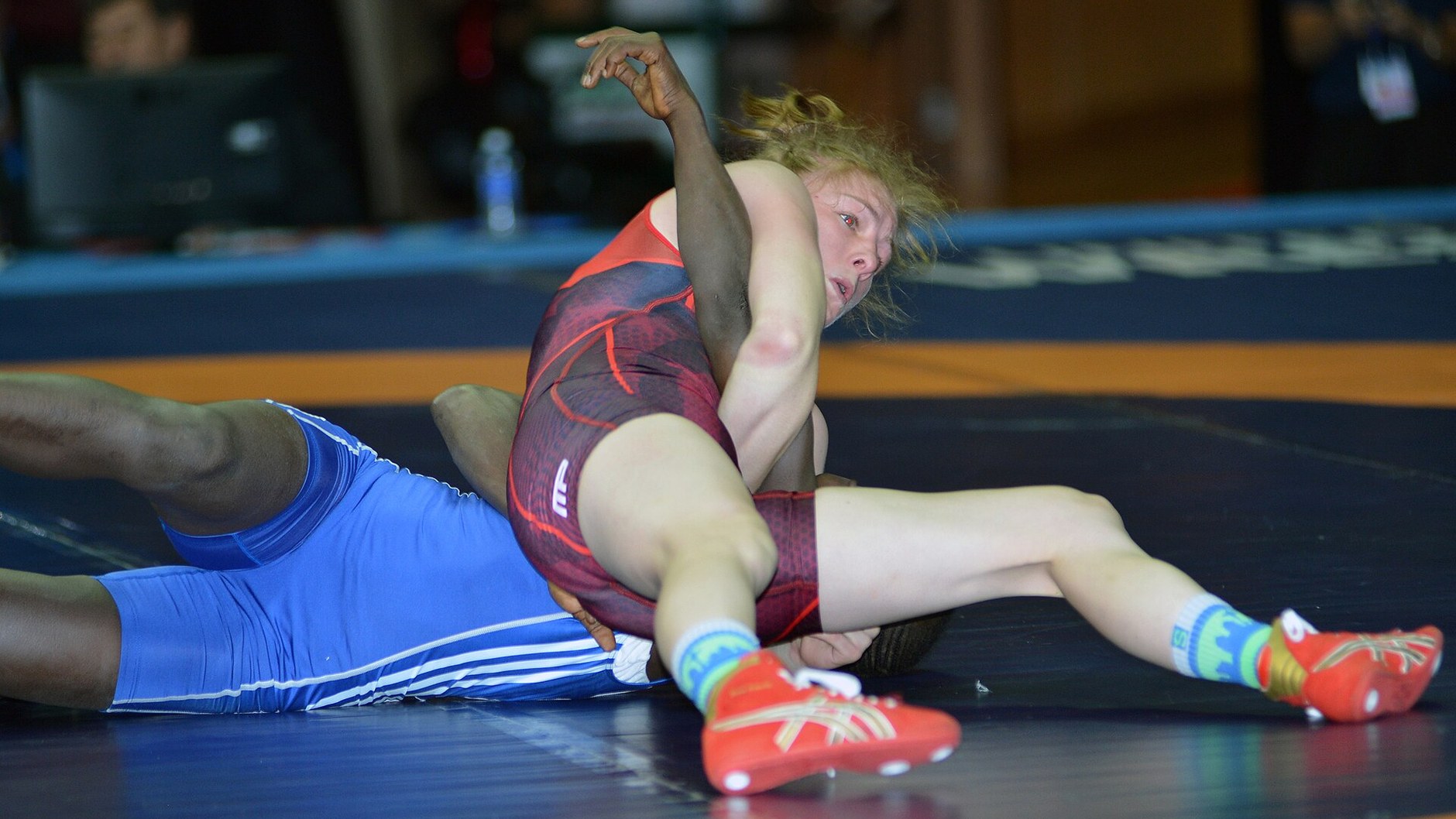
Elisabeth Diatta played football before she wrestled. On Saturday 7 November, aged 16, she beat Japan’s Reisa Kojima 5-1 in the 55kg final at Saly beach and won Senegal’s first Youth Olympic gold, Al Jazeera reports. She celebrated with a Cristiano Ronaldo-style leap, then wrapped herself in the Senegalese flag.
It happened at a Games with a bigger claim on history. Dakar 2026, which runs from 31 October to 13 November, is the first Olympic sporting event ever held on the African continent, according to the IOC newsroom. About 2,700 young athletes are competing in 25 sports, with 151 gold medals awarded over two weeks.
The Games are spread across three places: the capital Dakar, the beach resort of Saly, where the wrestling is held, and Diamniadio. That puts the sport on a beach in front of a home crowd, which Al Jazeera says roared when Diatta’s result was confirmed.
A footballer in the circle
Diatta comes from Casamance, in the south of Senegal. Her route into wrestling was an accident of injury. Her older sister Jeannine could not enter a tournament at a sports camp, so Diatta took her place and won her first bout. She kept going.
Some of the adults around her did not approve. “They said wrestling would make me less feminine,” she told Al Jazeera, and she persisted partly out of teenage defiance. In Casamance, the outlet notes, women have long wrestled too, even though men dominate the professional arenas.
Her coach, Isabelle Sambou, is a twice-Olympian who had wanted this gold for Senegal since her own career. Watching from the side, she told Al Jazeera that she had her reward.
Home advantage, and a replay
Later on the same Saturday, 16-year-old Maguette Diop reached the boys’ 80kg final. Two months earlier, on 27 August, he had lost to Iran’s Reza Jalilian in the semi-finals of the under-17 world championships in Baku. His opponent in Saly was Azerbaijan’s Nihad Suleymanli, a two-time under-17 world champion.
For a moment the gold looked to be slipping away. The referee awarded Suleymanli three points. Diop’s coaches asked for a challenge, the replay reversed the call, and the points went to Diop instead. The scoreline became 4-0 to Diop. A video challenge is part of the sport, and the Senegalese coaches knew to use it. The next day Ndeye Khady Anna Diatta added a third Senegalese gold, in the 45kg category, and said she hoped the result would give girls “courage and determination”.
By Thursday 12 November, Senegal stood sixth in the medal table with five golds. Three of them had come in wrestling on the sand.
The arithmetic is simple. Three of five golds is 60% of the haul, so the sand supplied most of Senegal’s success in the table. Al Jazeera does not say which sports produced the other two golds. Diop’s story adds the other half of the picture. He lost a world semi-final in August. Barely two months later, with a home crowd behind him, he turned the same sport into a victory.
Why a new sport felt familiar
Beach wrestling is not the same as laamb, Senegal’s traditional wrestling, but the two are close cousins. The difference is mostly in how a bout is won.
| Laamb (traditional) | Beach wrestling (Youth Olympics) | |
|---|---|---|
| How you win | One decisive fall to the ground | First to at least three points |
| Scoring | No points system | One point for forcing an opponent out of the circle or for a takedown |
| Big move | Opponent on back, buttocks or knees, or all fours | A throw onto the back earns three points and ends the contest |
| Length | Not stated | Up to three minutes |
Source: Al Jazeera, 12 November 2026. “Not stated” means the article gave no figure.
That gap is why the result was not automatic, and why the three-month camp mattered. Senegal’s young wrestlers spent three months in an intense training camp to adapt to the new rules, Al Jazeera says. The sport they grew up with also carries a lot more than a scoreline. Laamb binds villages and neighbourhoods together, with prayers, amulets and the drums known as sabar setting the rhythm.
What it means beyond the medals
The medals matter, but the people close to the team talk about something else. Al Jazeera frames the golds as something the table cannot measure: young people seeing themselves in the athletes who win, in a sport they already know. For girls, it adds a place inside the circle in a sport often described as belonging to men.
The IOC’s own account points the same way. The chair of its coordination commission for Dakar, Humphrey Kayange, captained Kenya’s rugby sevens team at Rio 2016. He describes the Games as combining his experience as an African Olympian with his role in delivering them. The IOC reports an “overwhelming feeling of pride” about what Africa has achieved on and off the field.
Does it affect anyone outside Senegal? Indirectly. A host nation that wins in a sport tied to its own culture gives the IOC an argument for taking events to places that have never had one. The closing ceremony is on Friday 13 November, and the final medal table will show how far the first African Games went beyond wrestling.
The IOC’s numbers are plain enough: 2,700 athletes, 25 sports, 151 gold medals and one continent hosting for the first time. Neither source says what Dakar 2026 cost or what the venues will be used for afterwards, so those questions are open.