Good news
UN Methane Alerts Have Led to 46 Major Leaks Being Addressed in 13 Countries
UNEP says its satellite-and-AI alert system has confirmed action on 46 major methane sources across 13 countries, equal to 26 million cars off the road for a year. Five more fixes, in Canada, Iraq, Kazakhstan and Mexico, came since June.

Read the bad side of this story
Barely One in Eight UN Methane Alerts Gets a Response as COP31 Opens
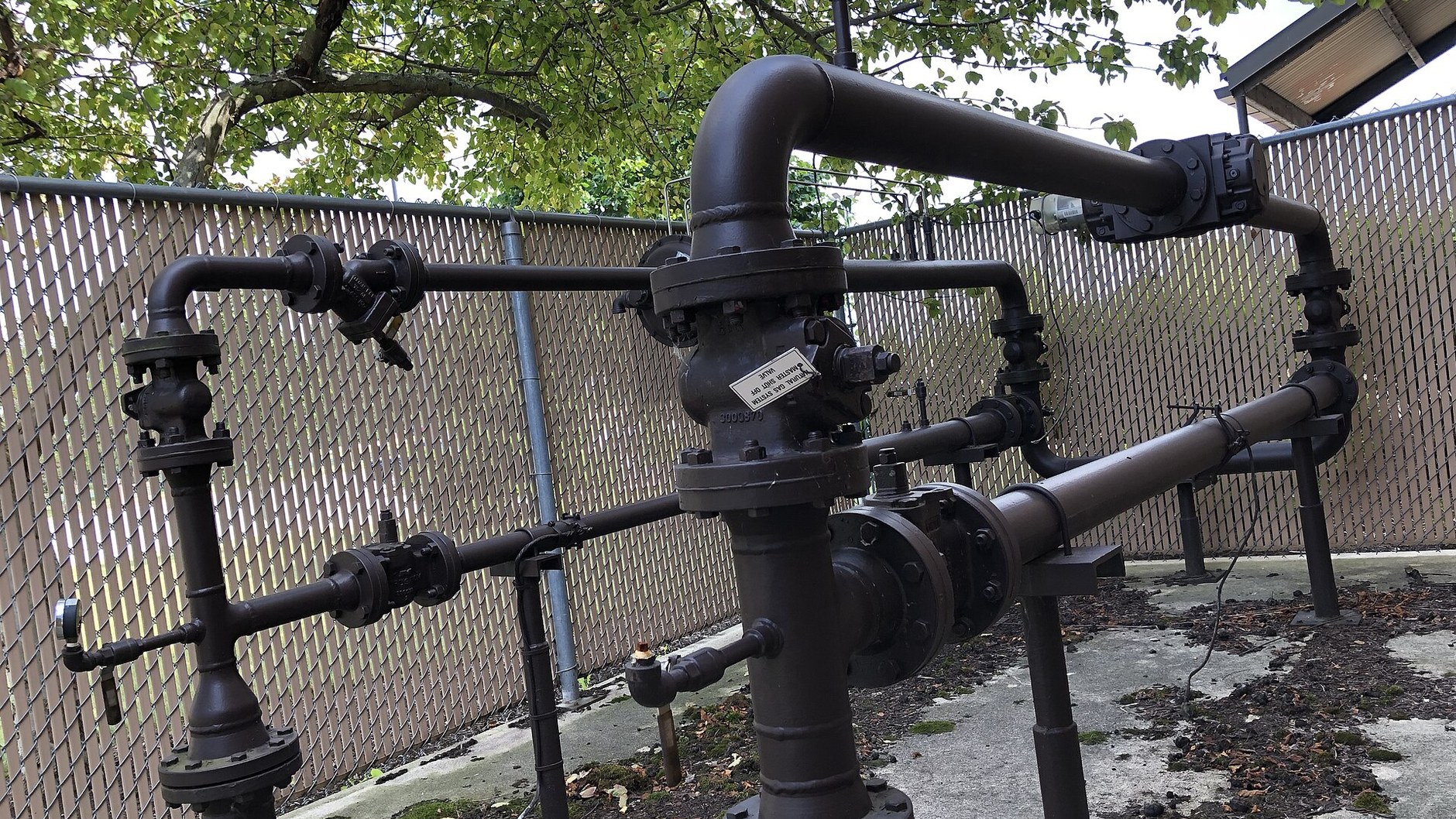
A damaged gas pipeline in Iraq leaked methane for two years, producing emissions equivalent to those of 350,000 cars. It stopped after a coating was applied to the corroded pipe. UN News cites the case as an example of a satellite-alert system run by the United Nations Environment Programme (UNEP). It is one of 46 major sources the agency says it has helped close, according to UN News and UNEP’s own release.
UNEP announced the progress at a ministerial meeting of its International Methane Emissions Observatory (IMEO), co-hosted by Canada and the European Union at the COP31 climate talks in Antalya, Türkiye. It says the mitigation so far equals taking 26 million cars off the road for a year.
How the system works
The tool is the Methane Alert and Response System, or MARS. It combines satellite data, artificial intelligence and scientific review to spot large methane plumes, then alerts the government and the operator responsible. The point is to turn an observation from space into a repair on the ground.
Methane matters because it is a strong, short-lived gas. UNEP’s executive director, Inger Andersen, says it is the second-largest contributor to global heating after carbon dioxide, but it leaves the atmosphere quickly. That makes cutting it, in her words, “our climate emergency brake”. UN News adds that over 20 years the gas traps more than 80 times as much heat as carbon dioxide, and that it is responsible for nearly a third of warming to date.
What changed since June
Five more major sources were confirmed as mitigated since June, in Canada, Iraq, Kazakhstan and Mexico. Together they account for 125,000 tonnes of methane, UNEP says, equal to nearly 2.5 million cars for a year.
| Measure | Figure | Source |
|---|---|---|
| Major sources addressed through MARS | 46 across 13 countries | UNEP |
| Climate benefit | About 26 million cars off the road per year | UNEP |
| New cases since June | 5 (Canada, Iraq, Kazakhstan, Mexico), 125,000 tonnes | UNEP |
| Countries meeting an 80% response rate | 13, nine of them at 100% | UNEP |
| Oil and gas firms in OGMP 2.0 | 164, covering 43% of global production | UNEP |
Source: UNEP press release, COP31, November 2026. UN News cites 45 cases for the same system in its report of the Secretary-General’s remarks.
The country figures matter because UNEP wants governments to answer alerts quickly. Its aim is an 80% response rate to major methane alerts by 2030. Since June, Azerbaijan, Canada, Iraq and Libya have reached that benchmark, bringing the total to 13 countries. Nine of them have a 100% response rate.
Why leaks are worth fixing
A leak is a loss for the operator as well as the climate. The Iraq pipeline leaked for two years before anyone sealed it, and the repair was a coating applied to corroded steel, not a rebuilt network. That example suggests some large releases can be cheap to mend once someone knows where they are. The hard part, as the next sections show, is getting the alert to the right desk and getting a reply.
Companies are signing up
The private sector is moving too. UNEP’s Oil and Gas Methane Partnership 2.0 has grown to 164 companies, which together represent 43% of global oil and gas production. It added ten companies in 2026 alone. One-third of global production is on track to meet the partnership’s Gold Standard for measurement-based emissions reporting.
The share of production reporting at the highest data-quality level has doubled in a year, UNEP says. Better data matters because operators cannot fix what they have not measured, and investors and regulators cannot judge claims without it.
Beyond oil and gas
UNEP is now extending the work to coal and steel. Its analysis indicates that about half of the methane released by metallurgical coal used in steelmaking could be cut by measures costing roughly one per cent of the price of steel. It estimates that 1.4 million tonnes of methane could be mitigated at the world’s 250 largest metallurgical coal mines, which produce about half of global output.
The wider policy frame is the Global Methane Pledge, which aims to cut global methane emissions 30% by 2030. UNEP says that the UN Secretary-General’s Call to Action on Methane sets nine priority actions across fossil fuels, waste and agriculture. At COP31, António Guterres asked UNEP to develop a global standard for near-zero methane emissions from oil and gas.
What it means
For most people the effect is indirect. Methane cuts slow warming quickly, which buys time while carbon dioxide emissions come down. They are also among the cheapest climate measures, because the gas is often a valuable fuel that is leaking.
The progress has limits, and the sources say so. The figures describe sources UNEP has confirmed as addressed, not total methane emissions, and the agency reports them itself. Guterres told the same event that more than 5,000 alerts have been issued since 2023 and that barely one in eight has received a response. He contrasted the $95 billion earned by the world’s nine largest oil companies in one quarter with the roughly $600 million received by the fund that helps vulnerable countries recover from climate disasters. He also warned that the planet is heading towards more than 2.5°C of warming by the end of the century even if current national plans are fully implemented.
The next checkpoints are the 2030 response target and the new gas standard UNEP has been asked to write. Both will show whether the 46 fixes are the start of a trend or a handful of early wins. For readers who want to follow it, UNEP publishes its response-rate counts by country, and the next update should show which countries reach the 80% benchmark.