Bad news
Barely One in Eight UN Methane Alerts Gets a Response as COP31 Opens
More than 5,000 UN methane alerts have been issued since 2023, and barely one in eight has been answered, Secretary-General Guterres said at COP31. UNEP counts 46 major leaks closed in 13 countries, while the planet is heading for over 2.5°C.

Read the good side of this story
UN Methane Alerts Have Led to 46 Major Leaks Being Addressed in 13 Countries
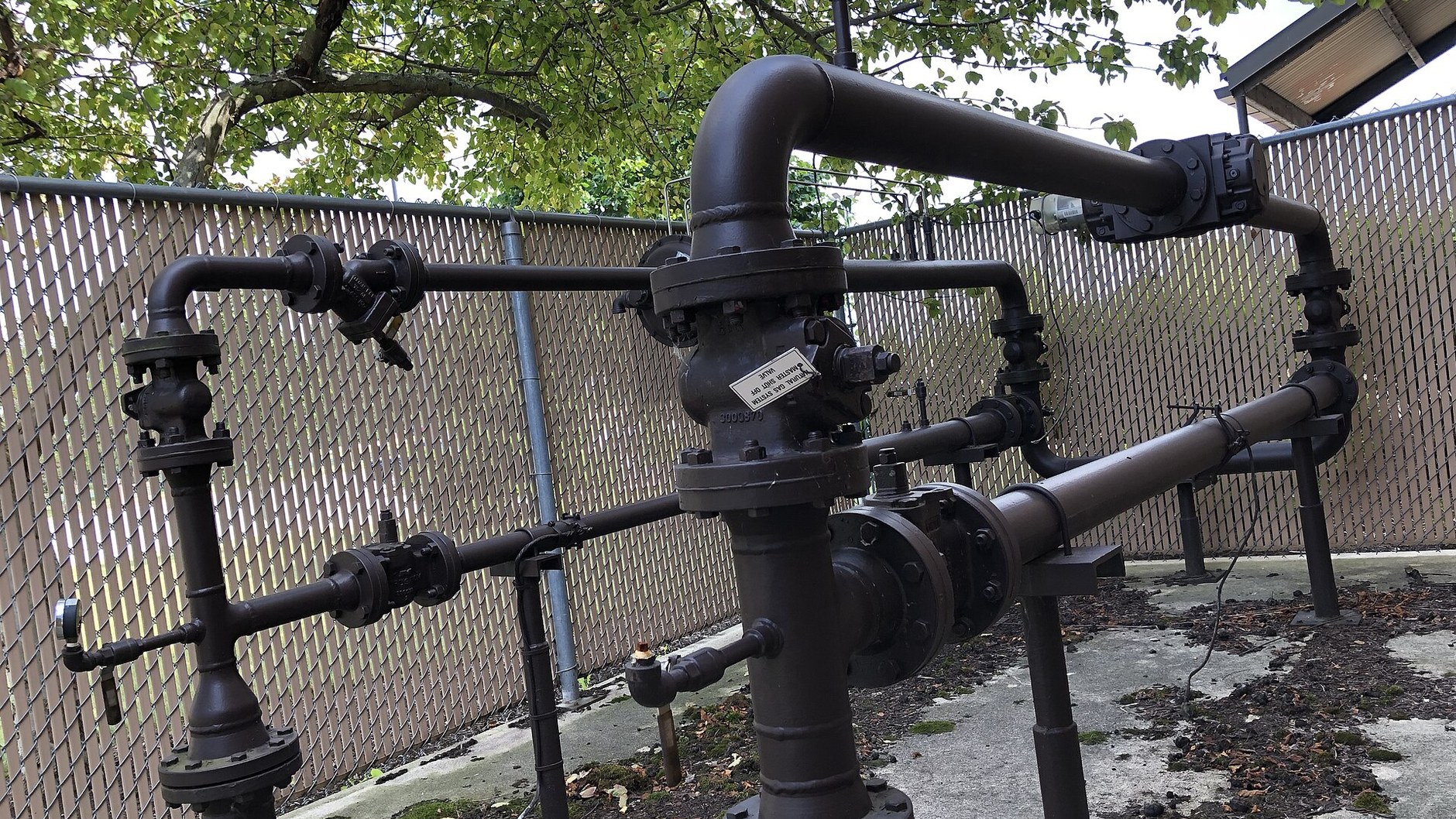
The United Nations has issued more than 5,000 methane alerts since 2023, and barely one in eight has received a response. UN Secretary-General António Guterres gave the figure at COP31 in Antalya, Türkiye, according to UN News. The alerts come from satellites, and each one points to a large release of a gas that traps more than 80 times as much heat as carbon dioxide over 20 years.
The gap sits beside real progress. The UN Environment Programme (UNEP) says its alert system has confirmed action on 46 major sources across 13 countries, in its release. UN News cites 45 cases for the same system. Even the better count leaves most alerts without a documented answer.
What the alerts are for
The Methane Alert and Response System, or MARS, combines satellite data, artificial intelligence and scientific review to find big plumes, then alerts governments and operators. Methane is responsible for nearly a third of global warming to date, UN News reports, and releases come from fossil fuel operations, agriculture and rotting waste.
UNEP’s executive director, Inger Andersen, calls it “our climate emergency brake”, because the gas leaves the atmosphere quickly. A brake only works if someone presses it. One Iraqi pipeline leaked for two years, producing emissions equal to 350,000 cars, before a coating stopped it. That case is cited as a success, and it also shows how long a known fault can run.
The response gap in numbers
UNEP sets an aim of an 80% response rate to major alerts by 2030. Since June, Azerbaijan, Canada, Iraq and Libya have reached it, bringing the total to 13 countries, and nine of those are at 100%. The other side of those figures is the overall one-in-eight rate that Guterres cited, which covers every alert issued since 2023.
| Measure | Figure | Source |
|---|---|---|
| Alerts issued since 2023 | More than 5,000 | UN News (Guterres) |
| Share answered | Barely one in eight | UN News (Guterres) |
| Major sources addressed through MARS | 46 across 13 countries | UNEP |
| Countries meeting an 80% response rate | 13, nine of them at 100% | UNEP |
| Oil and gas firms in OGMP 2.0 | 164, covering 43% of global production | UNEP |
| New cases since June | 5 (Canada, Iraq, Kazakhstan, Mexico), 125,000 tonnes | UNEP |
Source: UNEP press release and UN News, COP31, November 2026. Climate benefit claimed: about 26 million cars off the road a year.
The progress is real. UNEP says the 46 sources addressed equal about 26 million cars off the road for a year, and the five new cases since June, 125,000 tonnes in all, equal nearly 2.5 million cars. But UNEP does not say how many alerts the 46 cases came from, or how many countries have received alerts without meeting the benchmark. Both numbers would explain the gap better than the headline rates do.
Most of the industry is still outside
The company side is also partial. UNEP’s Oil and Gas Methane Partnership 2.0 has 164 companies, representing 43% of global oil and gas production, and added ten in 2026. That leaves 57% of production outside the partnership. One-third of global production is on track for its Gold Standard of measurement-based reporting.
Better data is arriving slowly. UNEP says the share of production at the highest data-quality level has doubled in a year, which is progress from a low base. The Global Methane Pledge aims to cut methane 30% by 2030, and UNEP says the Secretary-General’s Call to Action sets nine priority actions across fossil fuels, waste and agriculture.
Heat is moving faster than the plans
Andersen says the world is on course to exceed 1.5°C of warming, and that the task is to limit how high temperatures rise and how long they stay high. Methane is the quickest lever she names. That is why an unanswered alert is not an administrative lapse: each one is a plume still rising while the target slips.
The alerts are a small part of a larger problem. Guterres told leaders that even if current national plans are fully implemented, the planet is heading towards more than 2.5°C of warming by the end of the century. He contrasted the $95 billion earned by the world’s nine largest oil companies in one quarter with the roughly $600 million received by the international fund helping vulnerable countries recover from climate disasters. That is about 14 hours of the companies’ profits, he said, and he urged governments to tax windfall profits.
Those figures are the Secretary-General’s, not independent estimates. Turkish President Recep Tayyip Erdoğan, whose country co-hosts COP31 with Australia, acknowledged that three decades of negotiations have failed to deliver enough.
What would change it
The route to a better rate is not mysterious. A response needs a named owner, a deadline and public reporting of what happened to each alert. The sources describe none of these as settled.
The sources point to three things. Alerts need an owner at the receiving end, so a plume does not sit in an inbox. Companies outside the partnership need to join and report measured data. And the new standard Guterres asked UNEP to develop for near-zero methane from oil and gas needs to be written and adopted.
UNEP also says about half of methane from metallurgical coal for steel could be cut at roughly one per cent of the steel price, across the 250 largest mines. UNEP puts the potential at 1.4 million tonnes of methane. That is a cheap option, but nothing yet says who will pay for it or when. The next hard number to watch is the response rate on the 5,000 alerts.