Bad news
Hubble Likely to Fall by 2034 as NASA Only Asks for Ideas
NASA expects Hubble to re-enter in 2033 or 2034 without help. Its request to industry, due 30 November, is not a contract, and no timeline or budget has been set for any mission to boost, service or retire it.

Read the good side of this story
NASA Asks Industry to Boost Hubble to a Higher Orbit by 2032
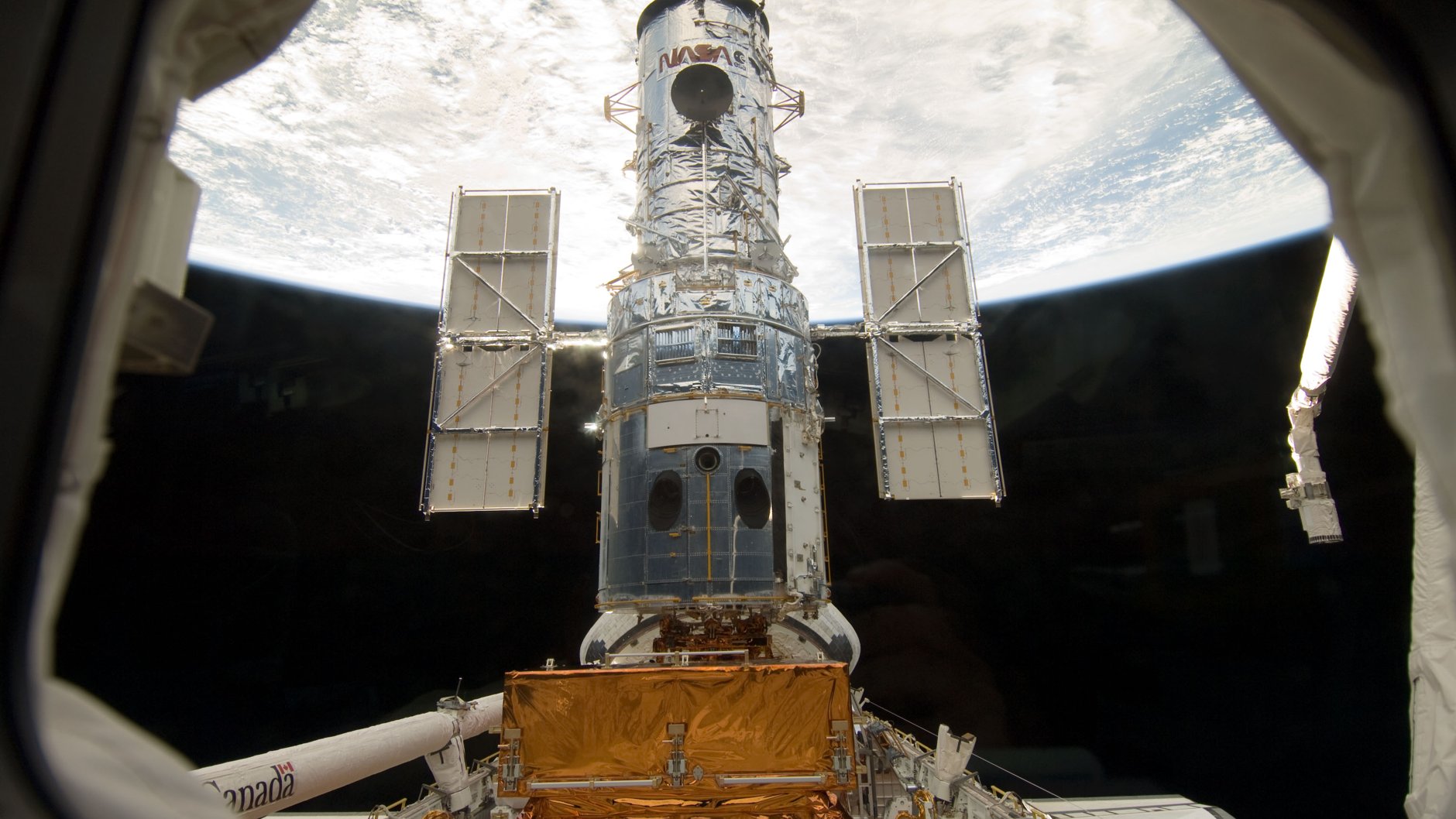
The Hubble Space Telescope is on a slow fall that nobody has yet paid to stop. Hubble has no propulsion, so drag keeps lowering its orbit. NASA’s own analysis says it will most likely re-enter the atmosphere in 2033 or 2034, according to the agency’s notice of 29 October. So far, NASA has asked for ideas.
The request for information asks commercial companies to propose a boost to a higher orbit, a servicing mission, or a safe, controlled re-entry. Replies are due by 3 p.m. EST on Monday 30 November. NASA says any rescue mission would need to happen by 2032. That leaves about six years to design, build and launch a mission, and the notice does not say how a company would find the money or the time.
Two years lost
This is the second search. SpaceNews reports that NASA is restarting its hunt for commercial missions more than two years after it concluded that the existing options were too risky. The agency’s reasons for the earlier verdict are not repeated in the notice, and no source reviewed here says what has changed technically besides Nicky Fox’s remark that commercial industry has rapidly evolved.
The notice is also not a commitment. According to a local summary of it, responses will shape a later request for proposals, and NASA has set no timeline or budget for that. A formal proposal round, a contract, a spacecraft and a launch all still have to fit between now and 2032.
| Date | What happens |
|---|---|
| 29 October 2026 | NASA issues the request for information |
| 30 November 2026 | Company responses due, 3 p.m. EST |
| By 2032 | Latest date for a boost or servicing mission |
| 2033 to 2034 | Likely re-entry if nothing is done, per NASA analysis |
Table: GoodBad, from NASA and local coverage of the notice.
What the notice leaves open
The request does not say how much a rescue would cost or who would pay. Hubble’s science is the case for spending, but the notice offers no estimate of how long a boost would add to its working life. Those figures would have to come from the companies that reply, and NASA has not said whether it will publish what it receives.
Nor does the notice rank the three options. A controlled re-entry sits beside a rescue as an acceptable answer, which tells readers that NASA is treating the end of Hubble as a live possibility rather than a remote one.
The hard parts
The same summary says companies would supply the launch vehicle, the spacecraft and any crew, while NASA shares technical data and coordinates the rendezvous and capture. One option is to raise Hubble to at least 600 km. Another is to capture it and guide it down in a controlled re-entry, which would end its science. NASA asks each company how ready its technology is and how soon it could launch. It also asks for the lowest altitude from which it could still reach 600 km. That last question matters because the telescope keeps sinking while the paperwork proceeds.
Administrator Jared Isaacman described the risk in a post on X, quoted locally. “There is an orbital altitude that is a point of no return,” he wrote. The sources do not say what altitude he meant or how close Hubble is to it.
The telescope is a 36-year-old machine, and a company would have to reach and capture it in orbit. That is the part NASA is asking about. Until the 30 November replies are in, the agency has no mission to point to. Does this affect you? Only if you value Hubble’s public data, which will stop coming when the telescope does. What happens after the replies has no date.