Good news
COP31 Draft Proposes Faster Fossil Fuel Exit and Tripled Adaptation Aid
A first draft of the COP31 political deal calls for a faster move away from coal, oil and gas, at least $120 billion a year for adaptation and a plan for overshooting 1.5C. Delegates have until Friday, and five countries have published fossil roadmaps.

Read the bad side of this story
Arab Group and Russia Reject COP31 Draft as Friday Deadline Nears
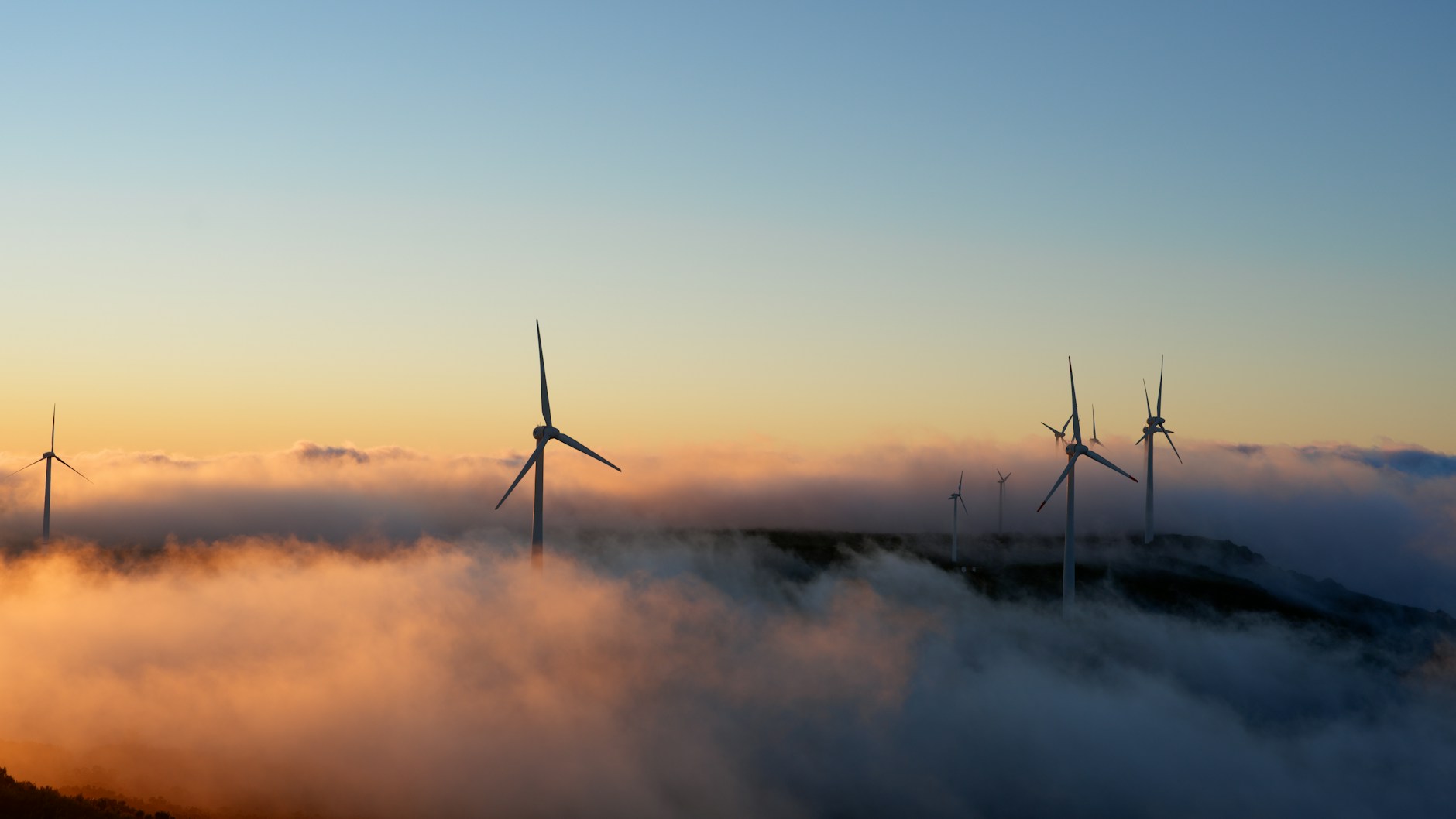
The summit now has a single document that puts the big questions in one place. Australia, which co-hosts COP31 with Türkiye, published an 18-page draft political deal on Monday 16 November, DW reports. It proposes an immediate shift away from coal, oil and gas. It would triple adaptation finance for developing countries to at least $120 billion, and it plans for a world that will overshoot 1.5C. It is a draft, and many countries want it changed, but it sets the terms for the final days.
What the draft contains
The text has 144 items, according to DW. Beyond fossil fuels and adaptation money, it expresses deep concern that the 1.5C limit set in Paris in 2015 is now out of reach. It calls for action to limit both how far and how long temperatures overshoot, and to bring warming back below 1.5C as soon as possible. It also urges faster scale-up of carbon capture and storage. Ani Dasgupta, president of the World Resources Institute, told reporters that all parties are now grappling with the fact that the world will exceed 1.5C. That means cutting emissions and also scaling up carbon removal, DW reports.
It carries Türkiye’s goal of lifting electrification to 35% of final energy use by 2035, known as 35x35, and welcomes the voluntary global fossil fuel roadmap drawn up by Brazil’s COP30 presidency. Climate Home News notes the roadmap appears in paragraph 140, among several voluntary initiatives. Climate Home adds that the text includes most of the European Union’s key asks, including a response to overshoot and acknowledgement of the latest science.
Wealthy countries are asked to reach net zero emissions by 2030, Al Jazeera says. The draft is ambitious by design: observers quoted by DW describe it as a long wish list, and the NewClimate Institute’s Niklas Höhne said several points will not win consensus.
Who backs what
| Element of the draft | Who is pushing for it | Who is resisting |
|---|---|---|
| Moving away from fossil fuels, with the voluntary roadmap | Spain and Vanuatu want the roadmap moved into the main mitigation section | Arab Group led by Saudi Arabia, the Like-Minded Developing Countries (including China and India) and Russia oppose voluntary roadmaps in formal outcomes |
| 35% electrification by 2035 | Türkiye, the co-host; the EU announced its backing on Tuesday | The Like-Minded Developing Countries object to it |
| Tripled adaptation finance, at least $120 billion | The poorest countries, which also want the finance work programme to run two more years | The EU and Switzerland want no text on that item |
Table: GoodBad, from DW, Al Jazeera and Climate Home News reports of 17 November 2026.
Roadmaps are already appearing
Outside the negotiating room, countries are acting without waiting for a consensus. Denmark on Tuesday became the fifth country to publish a national fossil fuel transition roadmap, Climate Home reports, following Germany, France, the Netherlands and Finland. Spain, Portugal, Ireland, Luxembourg and the Pacific islands as a region have said they will produce their own. Portugal plans to launch its roadmap on Wednesday, and an Irish one is expected by the end of the week.
Denmark is raising its 2035 emissions target to at least 85% from 82%, Climate Home says. It will stop using coal power by 2028 and end oil and gas production by 2050, though those two targets are not new. The Danish minister, Samira Nawa, said her country’s example should resonate with bigger producers. The countries that have published or committed to roadmaps are not major oil and gas producers, and Climate Home notes many are large fossil fuel importers. Brazil, a growing oil producer, is expected to publish its roadmap next year.
The European position
The European Union’s climate commissioner, Wopke Hoekstra, called the text a shopping list and said the summit should focus on delivering existing goals, Climate Home reports. The EU nonetheless announced on Tuesday that it backs the 35x35 pledge. Hoekstra said the world needs much faster electrification and that the cleaner it is, the better, though the EU is not insisting the text require that the power be clean. Ireland’s climate minister, Darragh O’Brien, said pragmatism was needed to widen access to electricity in developing countries.
Brazil’s environment minister, João Paulo Capobianco, told delegates that deadlocks can be solved with an adjustment in the wording, according to Al Jazeera. Australia’s climate minister, Chris Bowen, who is steering the talks, acknowledged the text includes elements not every party agrees on. He said there may be at least one more draft before the week ends.
What the money would mean
DW reports that disagreements over finance turn on who bears the costs, whether support comes as grants or loans, and how funding for developing countries can grow. Campaigners quoted by DW want any tripled adaptation money to be grant-based. Harjeet Singh of the Fill The Fund campaign said communities are already suffering losses because adaptation arrived too late. Those voices are advocates, and the sources we read do not say what share of the $120 billion would be grants. The poorest countries want a tripling goal written into the finance work programme. The EU and Switzerland have said they do not want text on that item, so the number is not settled.
What happens next
The summit is scheduled to end on Friday 20 November. Climate talks usually run into overtime, Al Jazeera notes, because decisions need consensus and even one country can block them. The next date to watch is a December session of the Intergovernmental Panel on Climate Change, which is trying to settle when its next assessment reports will be published. Dozens of European, African and Pacific states want them out before the 2028 review of global carbon cutting, and Saudi Arabia says it is not seeking to delay climate science.
Whatever survives Friday’s bargaining, the roadmap work already has a date. A fossil fuel transition conference is scheduled for July 2027.