Good news
COP31 Draft Keeps Electrification Goal as Package Spans 150 Countries and the EU
A new COP31 draft keeps Turkey’s 35% electricity target and reaffirms tripling adaptation finance by 2035, backed by an electrification package covering more than 150 countries. The fossil fuel wording is gone and finance details are open.

Read the bad side of this story
COP31 Draft Drops Every Mention of Fossil Fuels as Talks Near Friday Deadline
The climate summit in Antalya now has a draft deal that puts electricity at its centre. The second version of the political agreement, known as the cover decision, was published on Thursday. It emphasises clean energy and electrification, including Turkey’s proposed target of 35% electricity in global final energy use by 2035, UN News reports. It also reaffirms the goal of tripling adaptation finance by 2035.
The same draft no longer refers to moving away from coal, oil and gas, and the finance, adaptation and just transition talks are still unresolved with a Friday deadline. Those facts shape what the text can do. They do not change what the electrification package behind it already contains.
What the electrification package holds
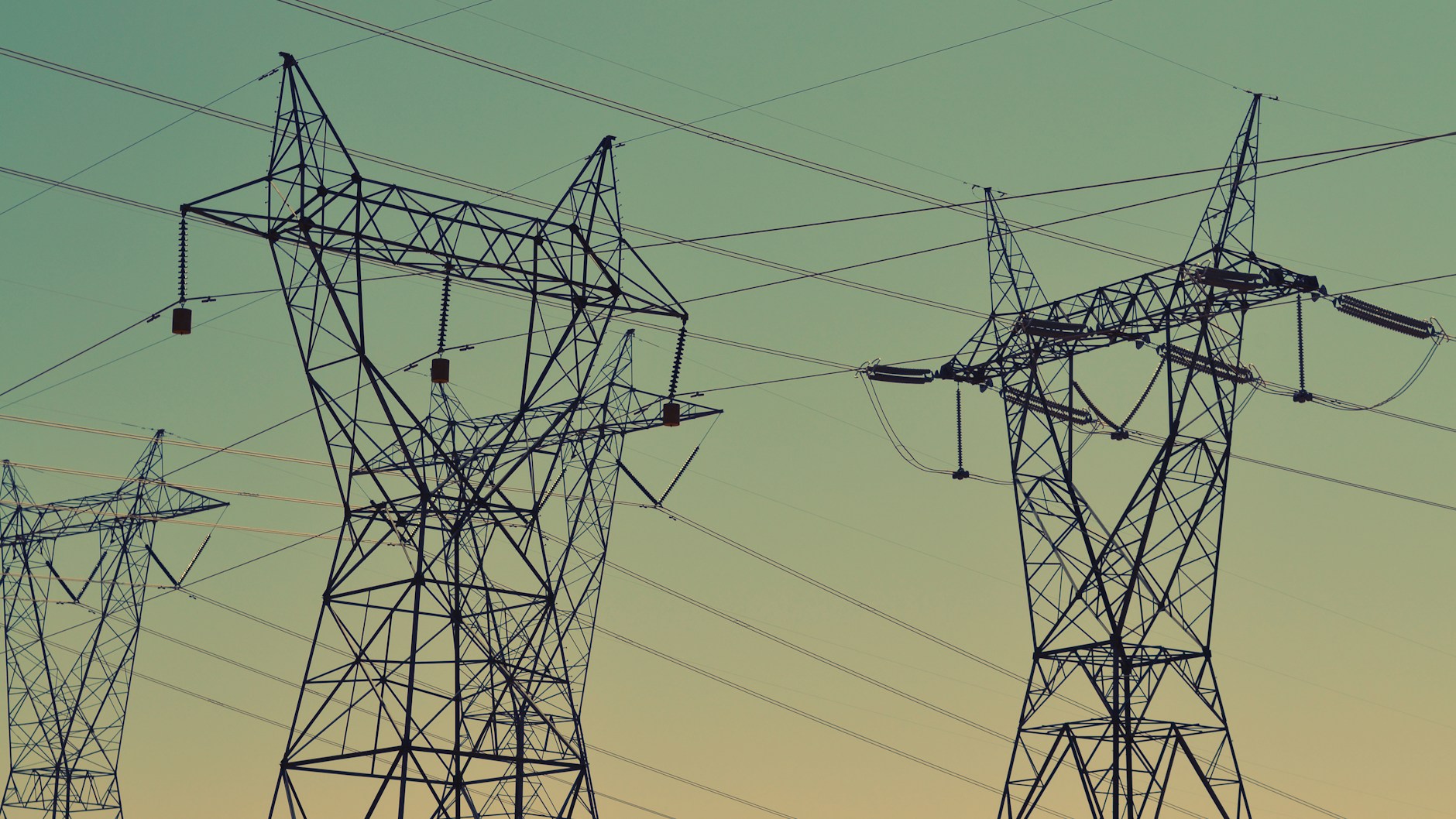
At a high-level event on Thursday, the COP31 presidency presented a package of activities supporting the 35% goal. It brings together more than 150 countries plus the European Union, 37 cities and over 260 businesses, UN News says. The work runs from expanding grids to electrifying transport and industry.
The results highlighted are specific. More than 21,000 kilometres of electricity grid were built in 2025, and annual investment plans for grids, renewables and storage are at least $156 billion. Today, electricity makes up roughly 21% of global final energy use, according to the Associated Press. The target would lift that to 35% in nine years. Turkey prefers that the growth come from renewables, though UN documents on the table do not say so.
The package arrives with some momentum from outside the talks. Climate Home News reports that the International Energy Agency’s new outlook finds 25 countries, most of them in Asia, have announced electrification policies since February. Many acted after the Iran war closed the Strait of Hormuz and exposed the cost of fuel dependence. Our separate report on the IEA outlook sets out the scenarios.
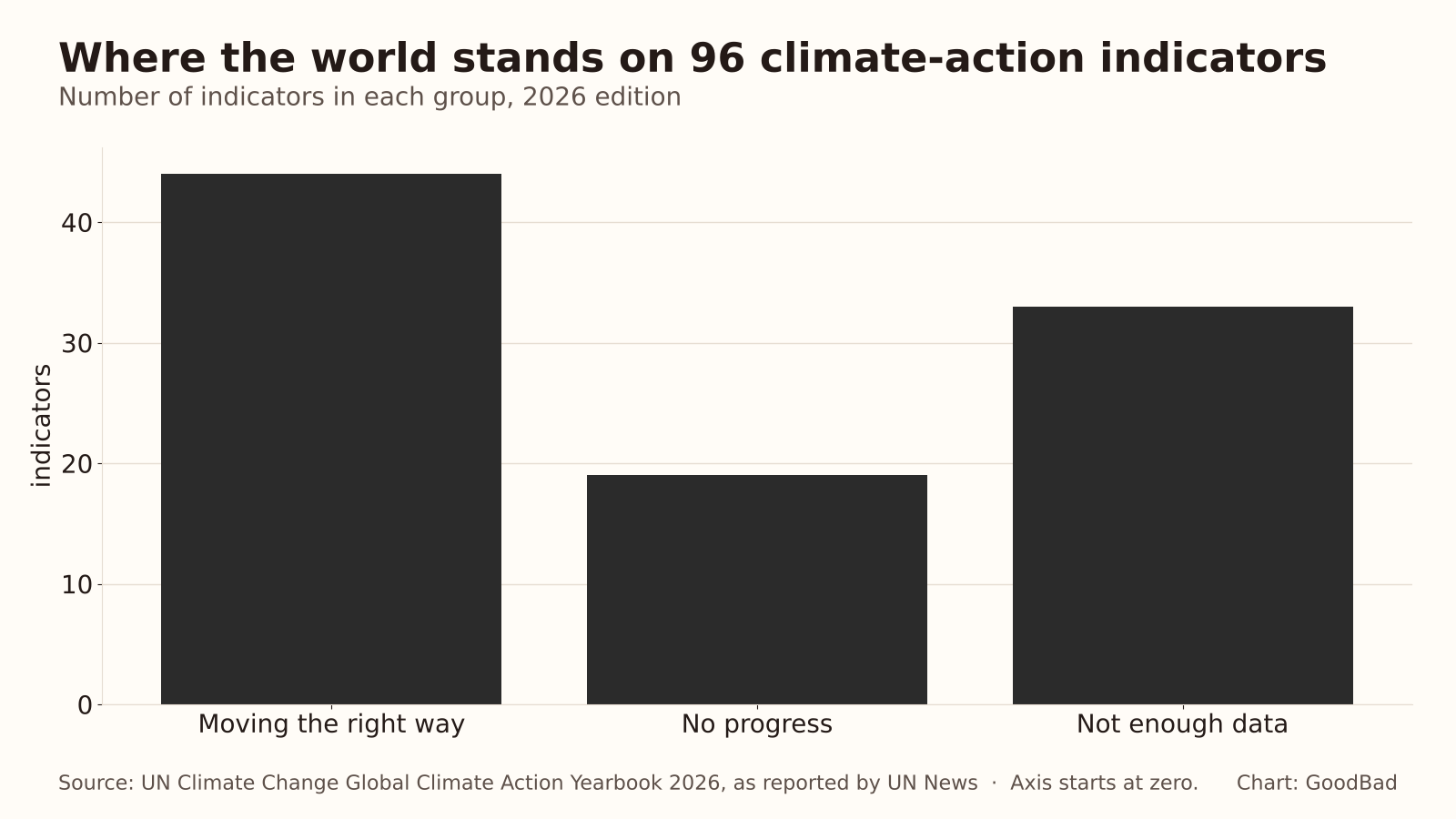 Chart: GoodBad. Data from the UN Climate Change Global Climate Action Yearbook 2026, as reported by UN News.
The yearbook’s mixed scorecard
A new UN Climate Change yearbook tracks voluntary climate action by governments, businesses, cities and civil society. Of 96 indicators, 44 are moving the right way, 19 show no progress and 33 lack enough data to judge. Renewable energy capacity grew 17% between 2024 and 2025.
The yearbook is candid about gaps. Energy efficiency gains are well below what is needed, and adaptation finance fell from $81.5 billion in 2022 to $64.1 billion in 2024. That fall is the reason the tripling goal matters, and why delegates are arguing over how to measure it.
A 1.5 degree admission, and a response
Australia’s Chris Bowen leads the negotiations alongside Turkey. He said COP31 would be the first climate summit to acknowledge that the world will fail to hold warming to the 1.5 degree limit in the Paris Agreement. The draft calls for any overshoot to be kept as small and short as possible. Bowen said he wants the summit remembered for deciding clearly that failure is not acceptable.
The United Nations said before the talks that the world is dangerously close to missing 1.5 degrees, AP reports. UN climate chief Simon Stiell used the package launch to say that benefits must reach further. Vulnerable developing countries need affordable finance and technology, he said, and workers and communities must help shape the change and be supported through it.
That is an official’s framing, and civil society groups are not persuaded. Teresa Anderson of ActionAid International told journalists that announcements in the cover decision cannot hide the fact that negotiations are struggling. She argued that developing countries are still asked to do more without enough financial support.
What was removed
The cover decision is the summit’s political statement. It sits beside separate negotiating tracks on finance, adaptation and just transition, which UN News says remain stalled. A strong electrification chapter does not settle those, and delegates from vulnerable countries said little progress came from Wednesday evening’s ministerial exchange, which the COP31 president, Murat Kurum, convened to break the deadlock.
The fossil fuel language is the main loss. Reuters reports that Monday’s first draft had two references to ending or limiting fossil fuels, and that the new text has none. Australia, which shares the presidency, had said the opening draft was always meant to be broad and narrowed later. Reuters adds that the text is expected to be revised again before nearly 200 countries can agree it.
The tension is familiar. The need to limit warming is widely accepted, Reuters notes, but countries disagree on the best route, who pays and how fast. A text built on a shared electrification goal may find agreement more easily than one built on a fossil fuel phase-out, which has divided nations every year.
What to watch
Three questions decide whether the draft means much for people outside the venue. First, whether the tripling of adaptation finance gets a baseline and a calculation method. Second, whether the 35% target is tied to renewables, since UN documents on the table do not say so. Third, whether the talks end on time. In recent years, Reuters says, consensus has regularly arrived more than 24 hours after the scheduled close.
Bowen said negotiators would keep consulting through the night. The summit is due to close on Friday, and the final cover decision will show which parts of Thursday’s draft survive.