Good news
Ozone Layer Is Still Healing as Antarctic Chlorine Falls by a Third
NOAA and NASA say the 2026 Antarctic ozone hole grew large because of weather, not because the Montreal Protocol is failing. Chlorine from banned chemicals has fallen by about a third from its peak, and full recovery is expected by the 2070s.
This story runs on the good side only. The biggest stories of the day are told on both sides.
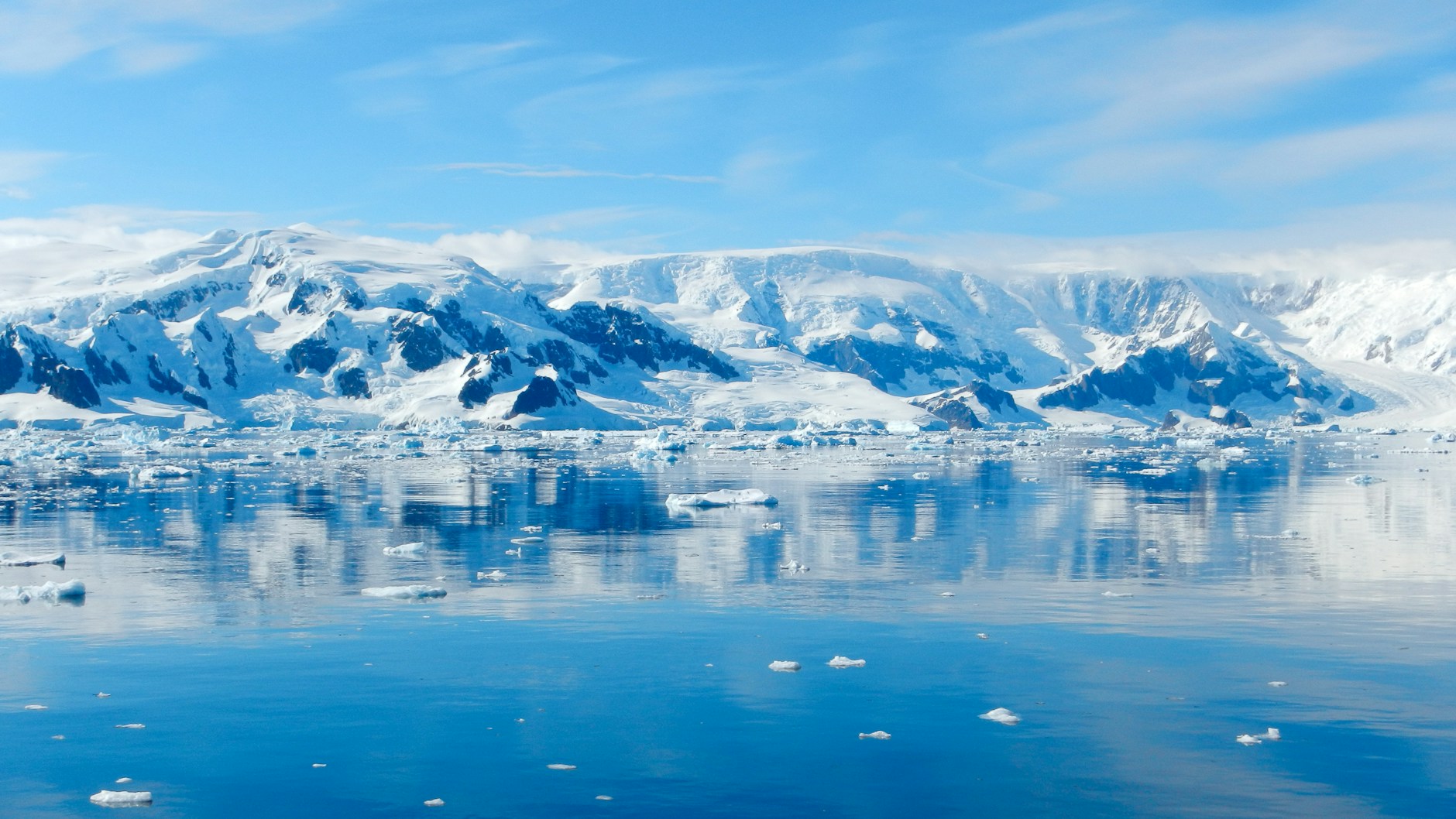
The Antarctic ozone hole was big this year, but the chemistry behind it is improving. NOAA and NASA reported on 4 November that the 2026 hole averaged about 25 million square kilometres (9.6 million square miles) between 7 September and 13 October. That makes it the seventh largest in 48 years and, NASA scientist Paul Newman says, the biggest in a decade. Their joint release says an unusually strong polar vortex, not new pollution, caused the size, and that the ozone layer is still on track to recover later this century.
Why the hole grew
The polar vortex is a ring of winds that traps frigid air over Antarctica. Cold air forms polar stratospheric clouds, and on their surfaces chlorine from old human-made chemicals turns into forms that destroy ozone once sunlight returns. NOAA’s Amy Butler says weather systems that normally break up the vortex were especially weak in August and September, which widened the area where ozone loss could happen.
The hole peaked on 18 September at 27.1 million square kilometres, about 90% of the largest ever seen, on 9 September 2000. NASA’s Earth Observatory says it was not as deep as other large holes on record.
What is getting better
Stephen Montzka of NOAA’s Global Monitoring Laboratory says chlorine in the Antarctic stratosphere that comes from ozone-depleting substances has fallen by about a third since its peak. Newman, of the University of Maryland and NASA Goddard, says the hole has been forming later in the season in recent years. He reads that as a sign of healing.
The most useful number is one about a hole that did not happen. Newman says the 2026 hole could have been 1 to 2 million square miles (3.5 million square kilometres) larger if ozone-depleting substances were as common as at their year-2000 peak. The cause of the decline is the 1987 Montreal Protocol, which phased out chlorofluorocarbons (CFCs) once used in refrigerators and spray cans.
| 2026 Antarctic ozone hole | Figure |
|---|---|
| Seasonal mean area, 7 September to 13 October | about 25 million km², seventh largest in 48 years |
| Peak day (18 September) | 27.1 million km², about 90% of the 2000 record |
| Lowest reading over the South Pole (17 October) | 105 Dobson units (record low: 92, October 2006) |
| Chlorine from ozone-depleting substances | down about a third from the peak |
Table: GoodBad. Data from NOAA and NASA, 4 November 2026.
Does it affect me?
The ozone layer absorbs ultraviolet light, which damages DNA and causes sunburn and skin cancer, NASA explains. One year’s hole does not change the long-term picture, and NASA notes that year-to-year size depends on stratospheric temperature and circulation. In 2019 abnormal weather produced the smallest hole since 1982.
Depth matters as well as area. NOAA balloon instruments recorded a low of 105 Dobson units over the South Pole on 17 October, compared with the record low there of 92 units in October 2006.
What happens next
Old CFCs linger in the atmosphere and leach slowly out of old products and landfills for decades. Scientists estimate the Antarctic ozone layer will return to 1980 levels in the 2070s, according to NASA and NOAA. Until then, expect large and small holes depending on the weather, with the long-term trend set by how quickly chlorine keeps falling.