 Good news
Newborn Vaccine Trial in Guinea-Bissau Cancelled Before Any Baby Was Enrolled
A US-funded trial that would have given half of 14,000 newborns their hepatitis B shot late has been cancelled before it began, and WHO is now working with Guinea-Bissau to bring the routine birth dose forward.

Read the bad side of this story
US-Funded Trial Planned to Delay Hepatitis B Shots for 7,000 Guinea-Bissau Newborns
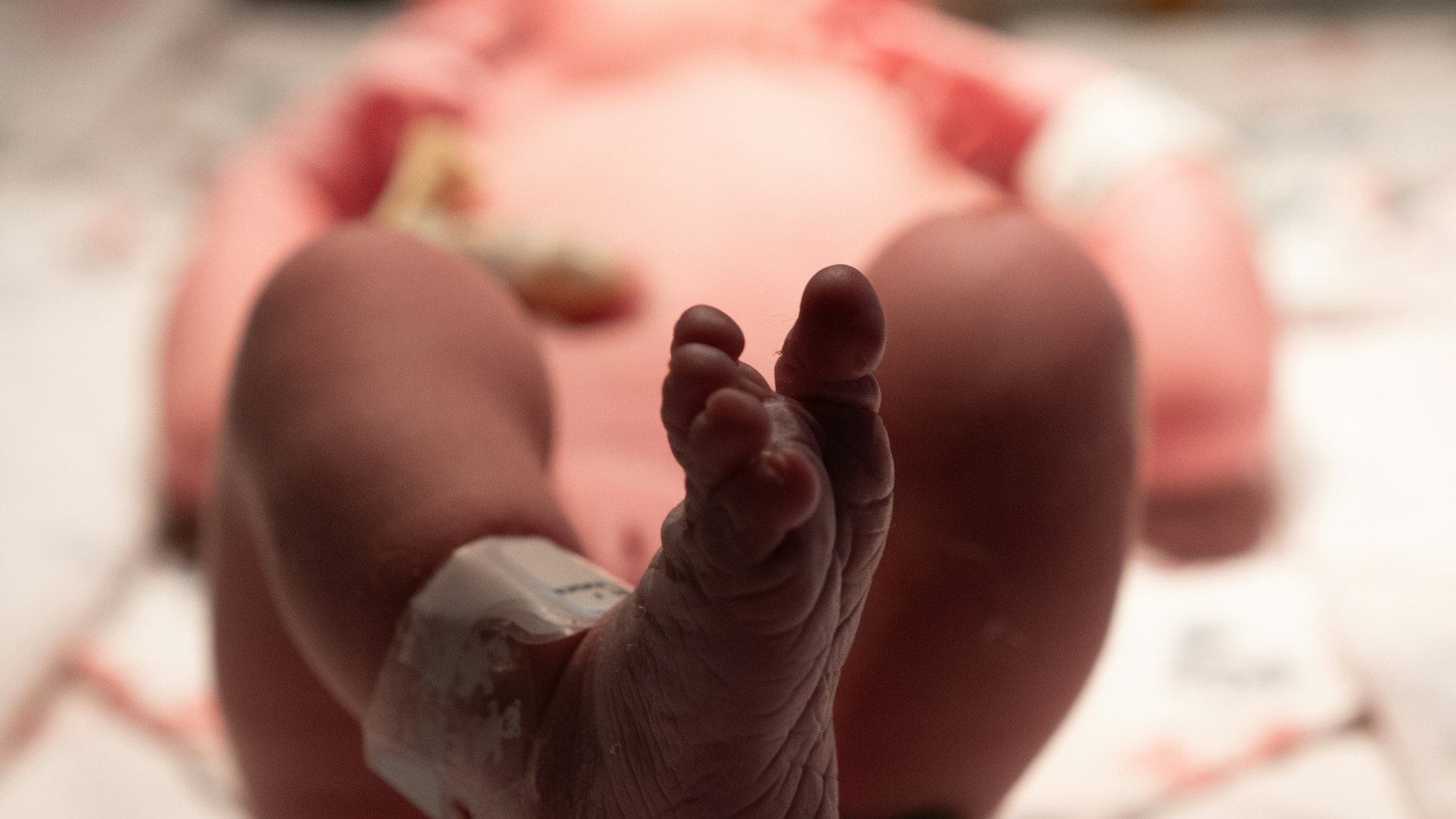
No baby was enrolled and no research dose was given. That is the position of the University of Southern Denmark (SDU) after a proposed hepatitis B vaccine trial in Guinea-Bissau was cancelled this week, according to BBC Africa. The trial would have followed 14,000 newborns, with half receiving the WHO-recommended birth dose and the other half receiving it later. Public-health experts have called that design unethical since the trial was announced in December.
The cancellation also clears the way for a more useful conversation. The World Health Organization is working with the government in Bissau to bring forward a routine birth dose, which the country had not expected to introduce until 2028. Officials are now considering the first quarter of next year, the WHO representative in Guinea-Bissau, Walter Kazadi Mulombo, told the BBC.
What the trial would have done
The study was planned by the Bandim Health Project, a research centre that has worked in Bissau since 1978 and is run with SDU. The US Centers for Disease Control and Prevention awarded SDU $1.6 million for it in December 2025. The aim, as Bandim described it, was to learn whether a birth dose of hepatitis B vaccine has broader effects on infant health beyond preventing the infection. Earlier studies in The Gambia and Guinea-Bissau had raised questions about a possible link to higher mortality.
Guinea-Bissau does not currently give the shot at birth. It vaccinates at six weeks, which the BBC describes as less effective, because babies can be exposed to the virus during childbirth if their mothers are infected. Al Jazeera reports that the researchers saw the gap before 2028 as a unique window to compare babies vaccinated at birth with those vaccinated at six weeks. Nearly one in five people in the country of 2.2 million has hepatitis B, and infection in infancy is the most likely to become chronic. BBC cites 2020 data showing that chronic infection kills up to a quarter of those who carry it, mostly through liver failure or cancer.
How it was stopped
The trial did not die in one step. The table below sets out the sequence reported by the BBC and Al Jazeera.
| When | What happened |
|---|---|
| December 2025 | CDC awards SDU $1.6 million for the trial |
| January 2026 | Guinea-Bissau bans hepatitis B vaccine trials involving children and opens a review with Africa CDC, and with WHO according to Al Jazeera |
| October 2026 | Health Minister Quinhin Nantote says the suspension still stands and that he was not told the study might proceed |
| 19 October | Judicial Police search Bandim and seize a batch of hepatitis B vaccines; police say that does not mean the doses were unsafe |
| 5 November | Trial reported cancelled; SDU says no baby was enrolled |
By the researchers’ own account, the lack of government approval stopped the study. A Bandim researcher, Frederik Schaltz-Buchholzer, wrote in a LinkedIn post days after the raid that the trial would not go ahead because the necessary government approval was never given. SDU’s dean, Jakob Grauslund, told the BBC that the university’s own ethics committee had backed the project and that he had let it proceed. He stressed that this did not replace authorisation from Guinea-Bissau. He said Danish law did not require the extra review, and that the statutory Danish ethics bodies were unable to carry it out.
Why the objections mattered
WHO’s Mulombo told the BBC that his office became concerned after receiving questions about the study and finding no public protocol. The vaccine has been used for more than 30 years in more than 115 countries, he said, and withholding it from some newborns would be unethical. Gavin Yamey of Duke University told the BBC that the proposal was neocolonial and asked why it was not run in Denmark. Magda Robalo, a former Guinea-Bissau health minister, told Al Jazeera that denying children a proven intervention is unethical.
The researchers disagreed. Peter Aaby and Christine Stabell Benn, who chair the Bandim project, said in a joint statement that they were not testing whether the vaccine prevents the disease. They were asking whether prevention carries a prohibitive price in other outcomes. They said their critics lacked curiosity. Al Jazeera adds that critics also questioned why the trial was open-label, so that researchers would know who got the shot.
The funding added a political charge. The money came from the US government under Health Secretary Robert F Kennedy Jr, who has voiced scepticism about vaccines and has praised the Danish researchers. A US panel under his leadership tried to end the recommendation that every newborn receives a birth dose, and a federal judge blocked it. The BBC found no evidence that the trial was designed to justify a policy change. It also notes that a later study by some of the same researchers found no evidence of the mortality effect reported earlier.
What it means for newborns in Bissau
For families in Guinea-Bissau the practical result is that no child will be assigned to wait for a birth dose for research. The government’s own plan is the bigger lever. The country cannot always secure enough doses, according to Al Jazeera, which is why it allows the first shot up to six weeks after birth. WHO says it is helping the government to move the birth dose forward.
Several questions remain open. Neither report says what will happen to the vaccines seized on 19 October. The police have not said whether their investigation concerns the trial, the import of the doses or something else. The US health department had not responded to the BBC. Neither report says whether the researchers will seek another site. One researcher involved called the end of the trial a significant setback for African science.