 Good news
Moderna RSV Shot Cut Hospitalisations by 82% in Older US Veterans
A study of 74,926 vaccinated US veterans aged 50 and over found Moderna’s mRESVIA reduced RSV hospitalisations by 81.8 percent over one season. Protection against infection was lower in the oldest group, and the study was not a randomised trial.
This story runs on the good side only. The biggest stories of the day are told on both sides.
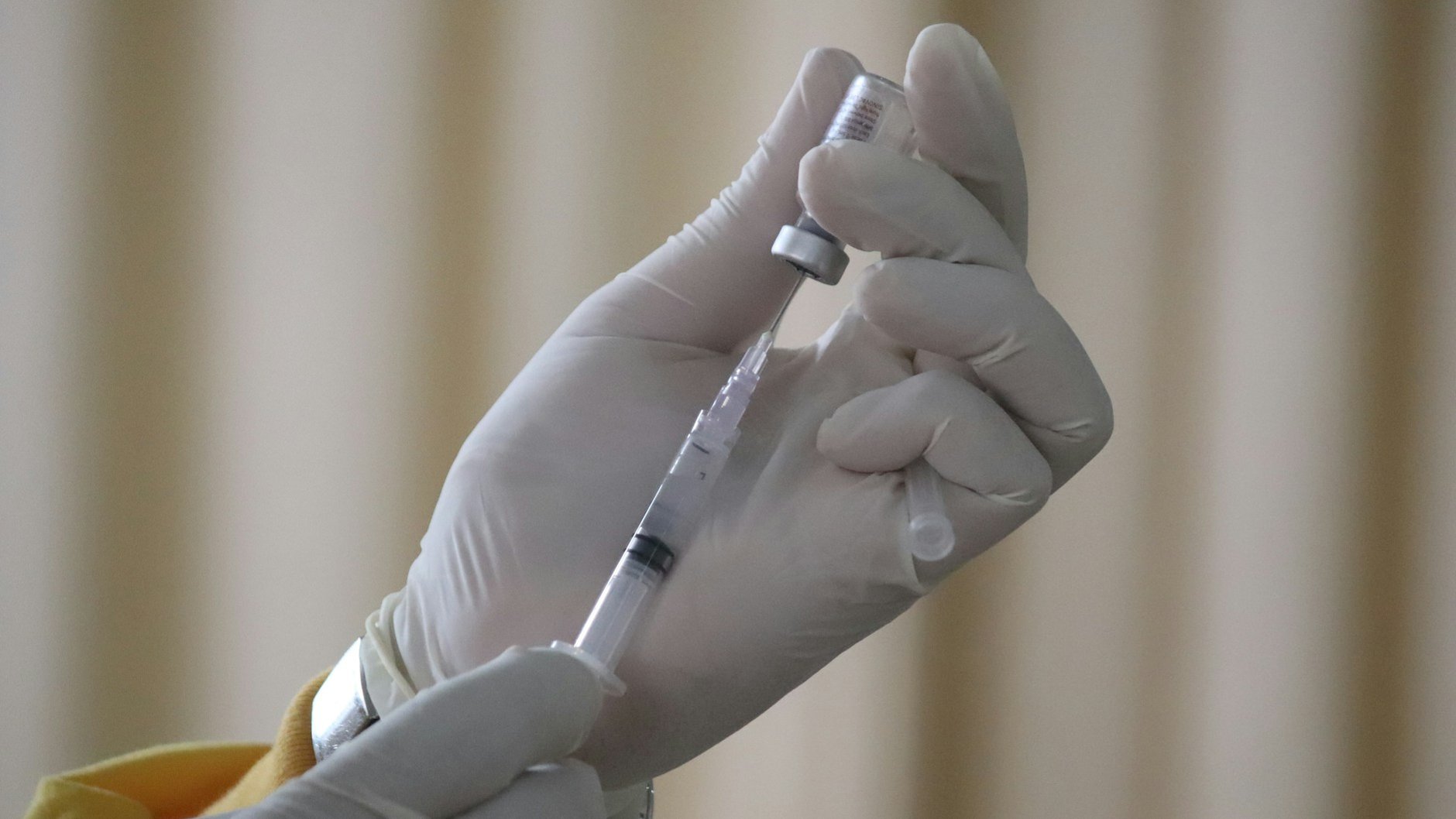
Moderna’s RSV vaccine cut hospital admissions for respiratory syncytial virus by 81.8 percent among US veterans aged 50 and older, a study in JAMA Network Open finds. It is an observational study of real-world records, not a randomised trial. The numbers come from the Veterans Health Administration (VHA), as summarised by CIDRAP, and they cover the 2025 to 2026 season.
How the study worked
Researchers used a target trial design, which mimics a randomised trial using health records. They matched 74,926 veterans who received a single dose of the mRNA-1345 vaccine (mResvia) with 286,425 unvaccinated people, across four monthly nested trials. Vaccinations ran from 1 October 2025 to 31 January 2026, with follow-up for 24 weeks. Medscape reports the same pattern: about 60 percent against infection and over 80 percent against hospitalisation.
One dose cut documented RSV infection by 60.3 percent and RSV-related emergency or urgent-care visits by 60.2 percent. Hospitalisation fell by 81.8 percent. CIDRAP does not give confidence intervals, so we cannot say how precise these estimates are.
| Outcome (single dose) | Effectiveness |
|---|---|
| RSV hospitalisation | 81.8% |
| Documented RSV infection | 60.3% |
| RSV emergency or urgent-care visit | 60.2% |
Table: GoodBad. Data from the JAMA Network Open study as reported by CIDRAP. Confidence intervals were not reported there.
Who it protects most
Protection against infection declined with age. It was 82.9 percent for veterans aged 50 to 59 and 28.6 percent for those 80 and older, although the authors still describe the vaccine as effective in all ages. That gap matters because older adults are the group at greatest risk of severe RSV.
The authors say effectiveness against RSV illness looks similar to that of protein-based RSV vaccines in earlier seasons. They also say longer follow-up is needed to see how long protection lasts over several seasons, and that head-to-head studies would show which product protects best.
What it means for you
The US Food and Drug Administration approved the vaccine in May 2024 for adults 60 and older. In June 2025 it extended approval to adults 18 to 59 at increased risk of RSV lower respiratory tract disease. The study covers veterans aged 50 and over, so it speaks to people slightly outside the approved groups. The sources we read do not say how well the result applies to people outside the veteran population.
The CIDRAP summary does not report who funded the study or give safety data. Both are gaps readers should look for in the full paper. Until multi-season data arrive, the practical reading is that one dose gave strong protection against hospital stays in its first season.