Good news
Ozone Layer Is Healing as Antarctic Hole Stays Smaller Than It Would Have Been
NOAA and NASA say the 2026 Antarctic ozone hole was the seventh largest in 48 years, yet 1 to 2 million square miles smaller than it would be with year-2000 chemicals. Chlorine is down about a third and recovery is expected by the 2070s.

Read the bad side of this story
Antarctic Ozone Hole Reaches Its Largest in a Decade, Covering 27 Million Square Kilometres
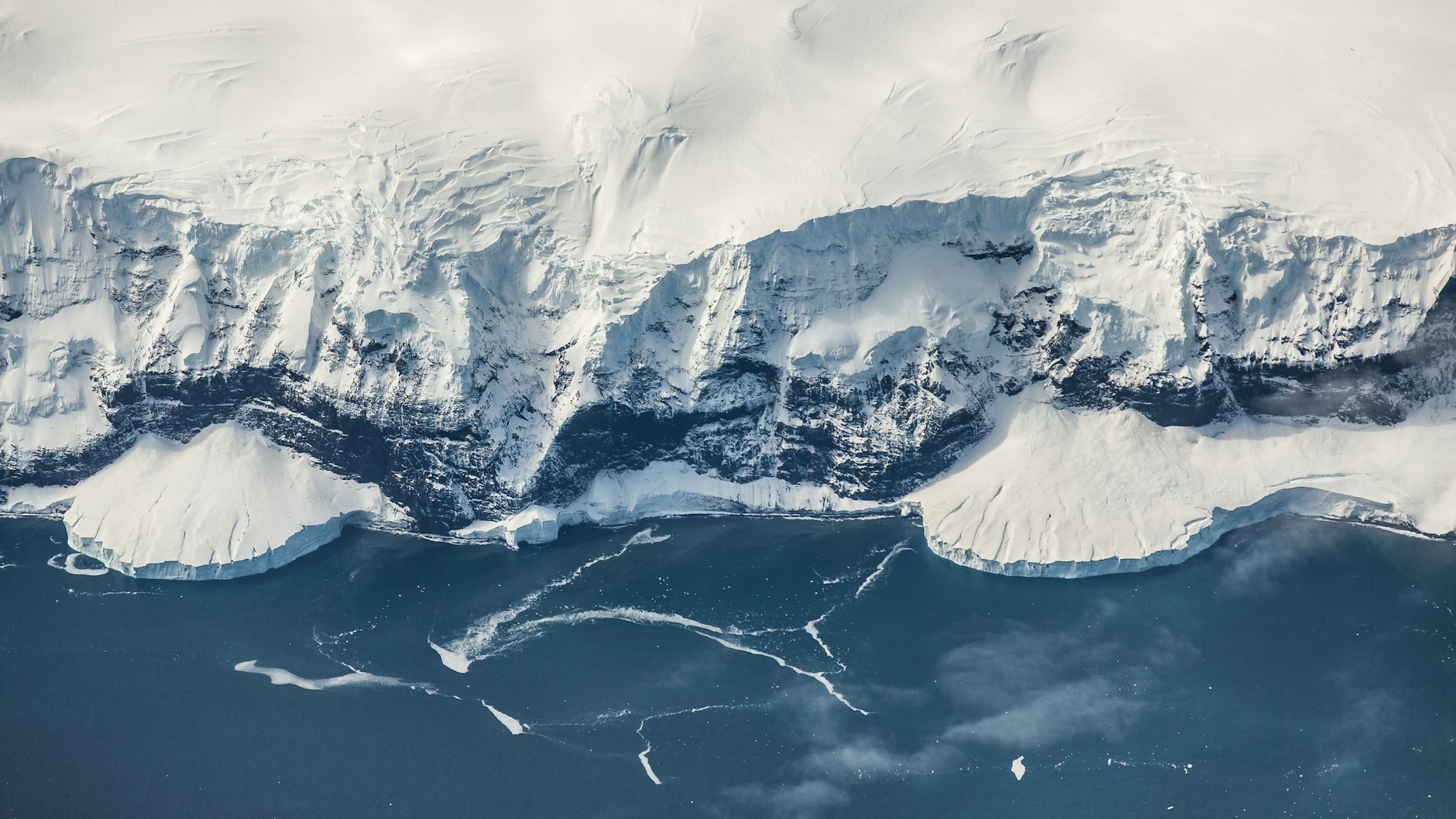
The ozone layer over Antarctica is healing, and this year’s hole shows it. NOAA and NASA reported on 4 November that the 2026 hole was the seventh largest in 48 years of monitoring. It is the biggest in about a decade, yet it would have been 1 to 2 million square miles larger if ozone-depleting chemicals were as common as they were in 2000.
That is the claim the agencies lead with, and it deserves a plain reading. The hole is large this year because of weather, not because the chemistry went backwards. Their scientists also say the protective layer remains on course to recover by the 2070s.
What the measurements show
Between 7 September and 13 October, the hole averaged about 9.6 million square miles (25 million square kilometres), more than twice the area of the United States. It peaked on 18 September at 10.5 million square miles (27.1 million square kilometres). That is about 90% of the largest hole ever seen, on 9 September 2000.
Depth tells a gentler story. Balloon and Dobson instruments at the South Pole recorded a low of 105 Dobson units on 17 October. The record low is 92, set in October 2006, and NOAA says this year’s hole was not as deep as the record-breaking ones of 10 and 20 years ago.
| Measure | 2026 | Reference point |
|---|---|---|
| Seasonal mean area, 7 Sept to 13 Oct | about 25 million km² | seventh largest in 48 years |
| Peak area | 27.1 million km² (18 Sept) | about 90% of the 2000 peak (9 Sept 2000) |
| Lowest ozone over the South Pole | 105 Dobson units (17 Oct) | record low 92 (October 2006) |
| Antarctic chlorine from banned chemicals | down about a third | relative to the 1980s peak |
Table: GoodBad. Figures from NOAA and NASA, published 4 November 2026.
Why the recovery is real
Paul Newman, a senior scientist at the University of Maryland who leads NASA’s ozone research team, said the hole has been forming later in the season in recent years. In his words, that “tells us the ozone layer is healing”. Stephen Montzka of NOAA’s Global Monitoring Laboratory says chlorine in the Antarctic stratosphere from ozone-depleting substances has fallen by about a third since its peak in the 1980s.
The cause is the Montreal Protocol of 1987, under which countries replaced chlorofluorocarbons in refrigerators, air conditioners and insulation. Newman estimates that without those cuts this year’s hole could have been 1 to 2 million square miles larger, or about 3.5 million square kilometres. Few environmental treaties can point to a number like that.
What made 2026 large
The cause of the size was a strong polar vortex, the ring of winds that traps cold air over Antarctica. Amy Butler, a NOAA research scientist, says weather systems that normally break up the vortex were weak in August and September. That kept the strongest winds several degrees of latitude from the pole and left more room for the cold, cloudy conditions in which chlorine destroys ozone.
This is why scientists compare each hole against the chemistry, not only against last year. A hole driven by a quiet atmosphere is a stress test of the recovery. The Colorado Boulder institute CIRES, whose researchers collect and check the South Pole data, points to Dobson readings that began in 1962. That long series is what lets NOAA say with confidence that the chemistry held up better than it would have in 2000.
How it is measured
NOAA flies balloon-borne instruments from the South Pole Baseline Atmospheric Observatory and cross-checks them with a Dobson spectrophotometer, an optical instrument that reads the ozone column overhead. Satellites fill in the rest of the continent. NASA’s Aura satellite, NOAA-20, NOAA-21 and the Suomi NPP satellite all fed this year’s analysis.
A Dobson unit is a thickness. One hundred of them would make a layer of ozone about 1 millimetre deep, roughly the thickness of a dime, if it were squeezed to sea-level pressure at standard temperature. A reading of 105 means the column over the pole is thin, which is why the hole matters, but it is still above the record low of 92.
What it means for you
The ozone layer acts as Earth’s sunscreen, shielding life from harmful ultraviolet radiation. This is not the ground-level ozone that forms in smog, which is a pollutant. The agencies do not say this year’s hole raises risks beyond the usual seasonal ones in the southern hemisphere. They also give no exposure figures, so that question has no sourced answer yet.
Recovery will be slow. Old refrigerators, air conditioners and landfills still leak chemicals that linger for decades, and scientists estimate the hole will recover by the 2070s. Each year’s size will keep swinging with the weather, so expect more years like this one before the trend is obvious to the eye.
What to watch next
Two markers will show whether the healing continues. The first is timing: if the hole keeps forming later in the season, as Newman says it has been, that points to falling chlorine rather than a lucky year. The second is the chlorine figure itself, which Montzka’s group tracks, and which now stands at roughly two-thirds of its 1980s peak.
NOAA and NASA publish their seasonal analysis each autumn, so the 2027 hole will be the next test. The agencies’ own summary is that the Montreal Protocol controls continue to drive long-term recovery. A bad weather year did not change that finding, though it did make the hole look worse than the chemistry deserved.