 Good news
First Vaccines Built for Bundibugyo Ebola Join Congo Trial, With Results Due Early 2027
WHO advisers have recommended two vaccines designed for the Bundibugyo strain, from Oxford and Moderna, for the Tumaini trial in Congo. Four vaccination rings are running, treatment trials report in coming months, and the outbreak has killed more than 5,300.
This story runs on the good side only. The biggest stories of the day are told on both sides.
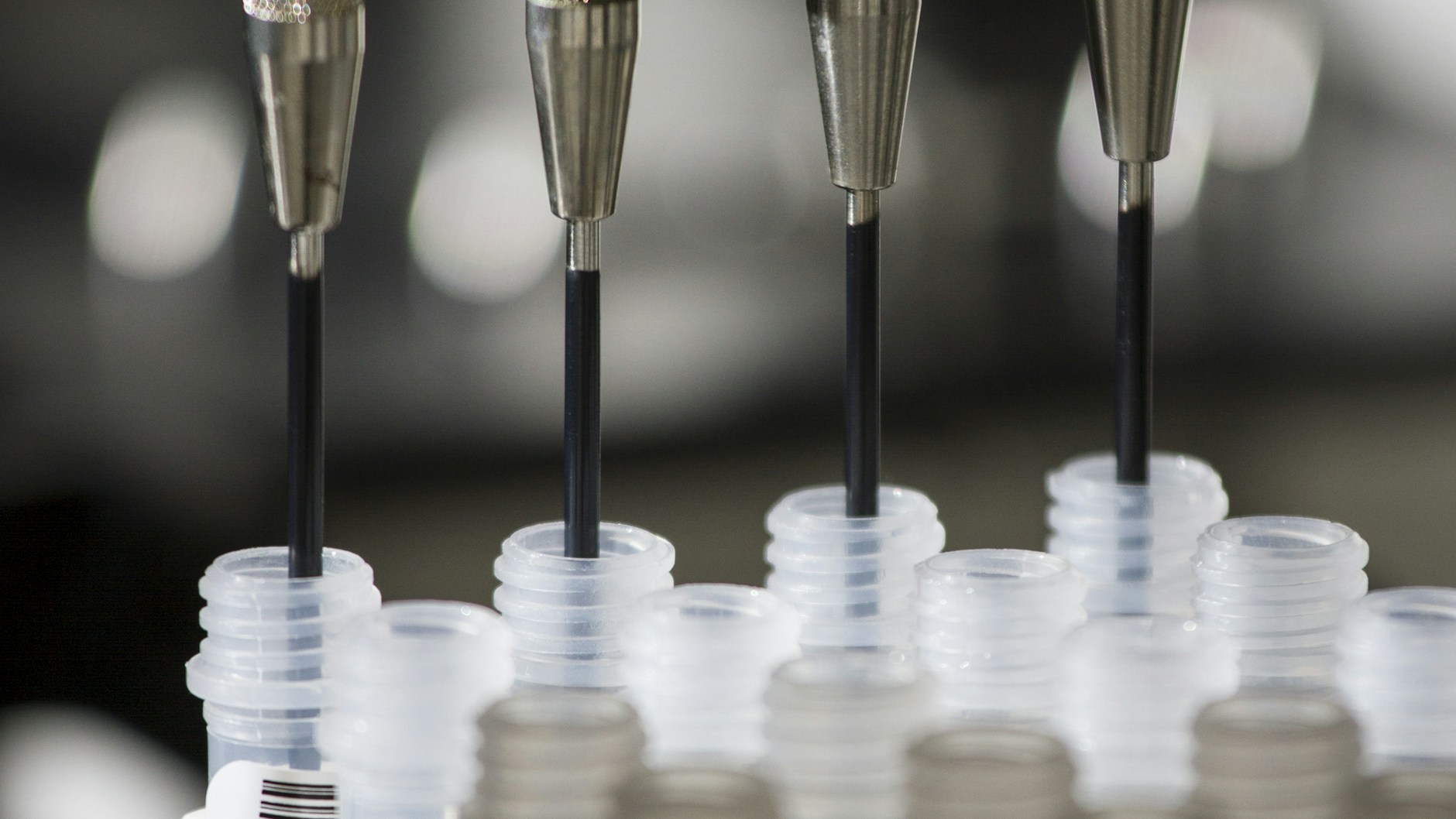
Vaccines designed for the Bundibugyo virus will be tested in a live outbreak for the first time. The World Health Organization announced on 4 November that its expert groups have recommended adding two candidates to the Tumaini trial in the Democratic Republic of the Congo. This follows our report on the first trials, which used a vaccine made for a different Ebola species.
The outbreak is grave. Al Jazeera reports that the virus has killed more than 5,300 people since May, with a fatality rate of 50%. Africa CDC counts 10,444 confirmed cases, and no vaccine or treatment designed for this strain is approved. The new candidates are early-stage tools, and WHO says vaccines alone will not end the outbreak.
The two candidates
The first is ChAdOx1, developed by the University of Oxford with the Serum Institute of India. The second is mRNA-1469 from Moderna. WHO’s independent Technical Advisory Group on Candidate Vaccine Prioritization met four times, on 1 September, 19 October, 22 October and 2 November, and recommended both unanimously.
The group reviewed safety data, toxicology studies, challenge studies in ferrets and non-human primates, interim phase 1 results and manufacturing capacity. The recommendation rests on preclinical and early clinical evidence, so neither vaccine has efficacy data in people yet. The companies were told on Monday, and the vaccines enter the trial once national approvals are in place.
How the trial works
Tumaini tests several candidates inside one trial, using ring vaccination: teams enrol the contacts of people with confirmed disease. The method was pioneered during the West Africa outbreak a decade ago, when a trial in Guinea showed that Ervebo protects against the Zaire species. Ervebo is now the first vaccine in Tumaini being assessed against Bundibugyo.
Four vaccination rings are already in place, with more being prepared. The Institut National de Recherche Biomédicale, Congo’s national research institute, leads the trial with support from WHO, Médecins Sans Frontières, the Africa Centres for Disease Control and Prevention and partners in Antwerp. The Coalition for Epidemic Preparedness Innovations funded the rapid development.
| Item | Status as of 4 November 2026 |
|---|---|
| ChAdOx1 (Oxford, Serum Institute of India) | recommended for Tumaini, pending national approvals |
| mRNA-1469 (Moderna) | recommended for Tumaini, pending national approvals |
| Ervebo | already in Tumaini, first assessed against Bundibugyo |
| MBP134, remdesivir or both | PARTNERS treatment trial, launched in July |
| Maftivimab | to be added to PARTNERS soon |
| Obeldevisir | post-exposure prophylaxis study under way |
Table: GoodBad. Data from WHO, 4 November 2026.
Treatments are moving too
The WHO-sponsored PARTNERS trial, launched in July, is testing whether the antibody MBP134, the antiviral remdesivir or the two together improve survival in confirmed patients. Maftivimab will soon join. A separate study is testing obeldevisir as post-exposure protection for people who have been exposed.
Tedros Adhanom Ghebreyesus, WHO’s Director-General, thanked the scientists, health workers and partners who brought the vaccines to this point. He said trial participants will generate evidence that could help save lives.
What happens next
WHO expects initial findings from the treatment trials in the coming months and vaccine trial results in early 2027. Until then, the response depends on early care, contact tracing, isolation, safe burials and community engagement, which Tedros says the vaccines will not replace. He also urged countries to lift travel restrictions, which he said punish countries for doing the right thing.
Outside Congo, Al Jazeera reports nine cases in Kenya, including two deaths, and one confirmed case in Nigeria. A British health worker with Ebola is being evacuated to the UK, where the government rates the risk to the public as low.