Good news
Ebola Vaccine Trial Enrolls in Congo as Kenya and Nigeria Add No Cases
The first participants joined the Tumaini vaccine trial in Bunia on 23 October, and WHO's 6 November update lists no new cases in Kenya or Nigeria. In Congo, 2,881 people have recovered and 16 health zones are quiet.

Read the bad side of this story
Ebola Has Killed 5,198 in Congo as Contact Tracing Falls Short of Target
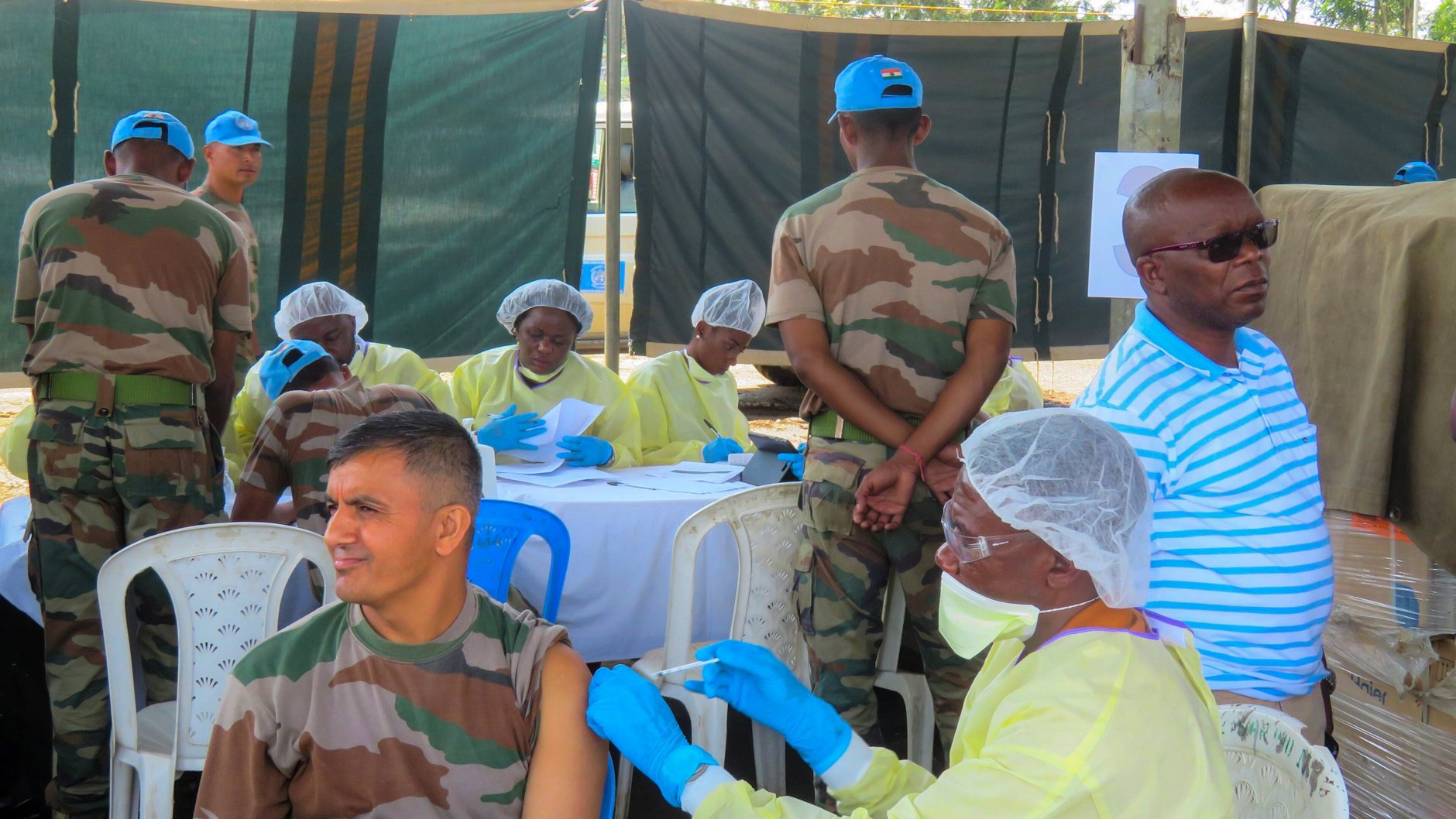
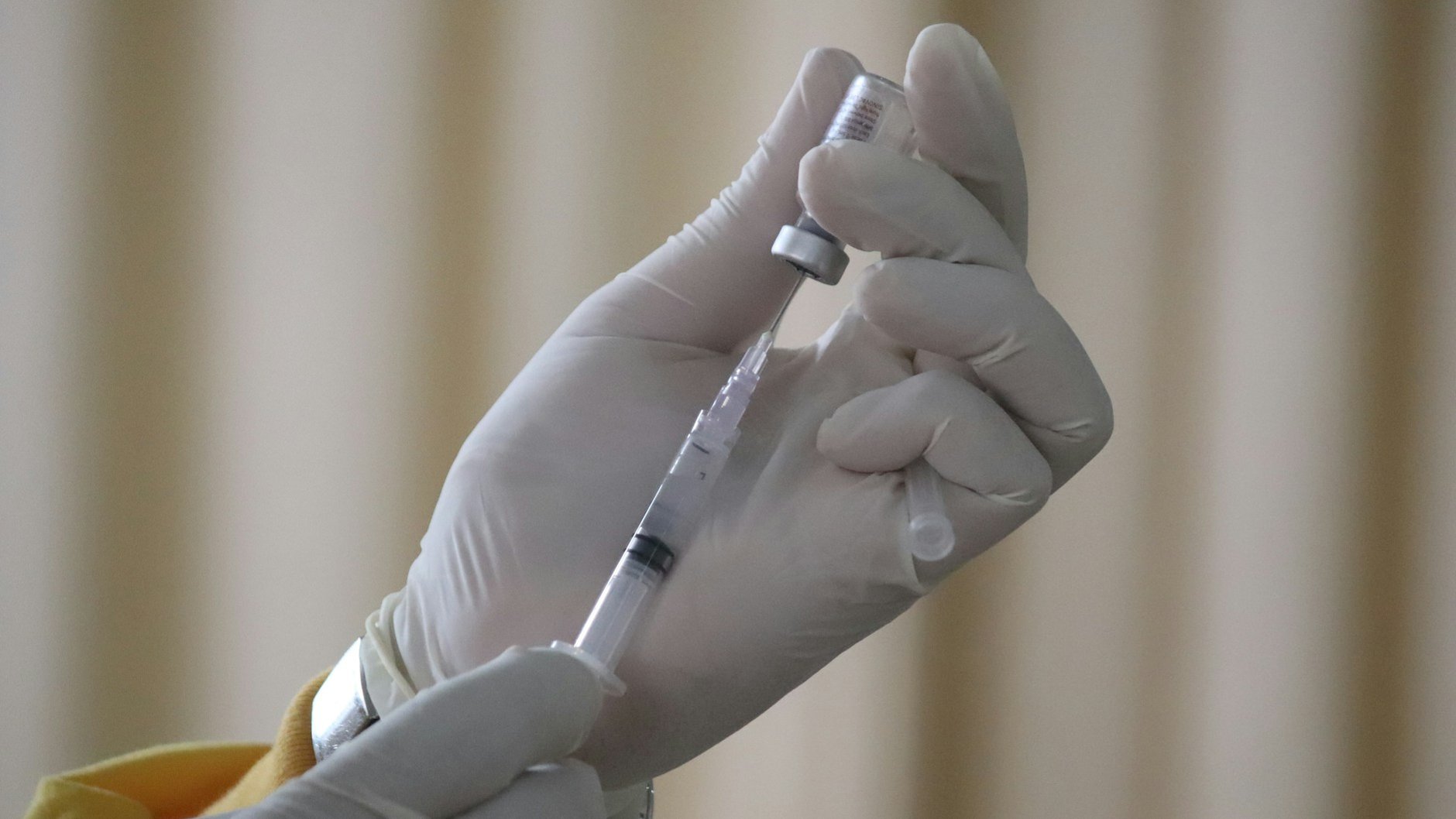
The first test of vaccines built for Bundibugyo Ebola is under way. The World Health Organization (WHO) says in its outbreak update of 6 November that the Tumaini trial was launched on 23 October, with the first participants enrolled in Bunia, in Ituri province. It is a pivotal Phase 2/3 trial, which means it checks both safety and protection in people. This follows our earlier report on the two new candidates; the new facts are the launch and the latest case counts.
The trial matters because nothing is approved. No vaccine or specific treatment exists for this strain, and outbreak control still rests on isolation, contact tracing and safe burials. WHO’s expert groups have recommended adding Oxford’s ChAdOx1, made with the Serum Institute of India, and Moderna’s mRNA-1469. Both enter once national approvals are in place. The update gives no enrolment numbers and no date for results.
The numbers that moved the right way
As of 3 November, Congo has 10,668 confirmed cases, 5,198 deaths and 2,881 recoveries, WHO reports. Sixteen of the 67 affected health zones reported no new case in the preceding 21 days. WHO also says some areas have seen a slight decline in cases, although transmission overall remains sustained and high.
Beyond Congo, the picture is calmer. WHO lists no new cases from Kenya or Nigeria since its previous update on 23 October. Kenya’s count stays at nine, with no new confirmed case since 19 October. On 3 November five of those patients were discharged after meeting the criteria, and two are still in treatment. All eight secondary cases there were already in quarantine as known contacts when they fell ill, which is the outcome contact tracing is designed to produce. Kenya has screened 760,415 travellers at entry points. France and Uganda have had their outbreaks under control since August.
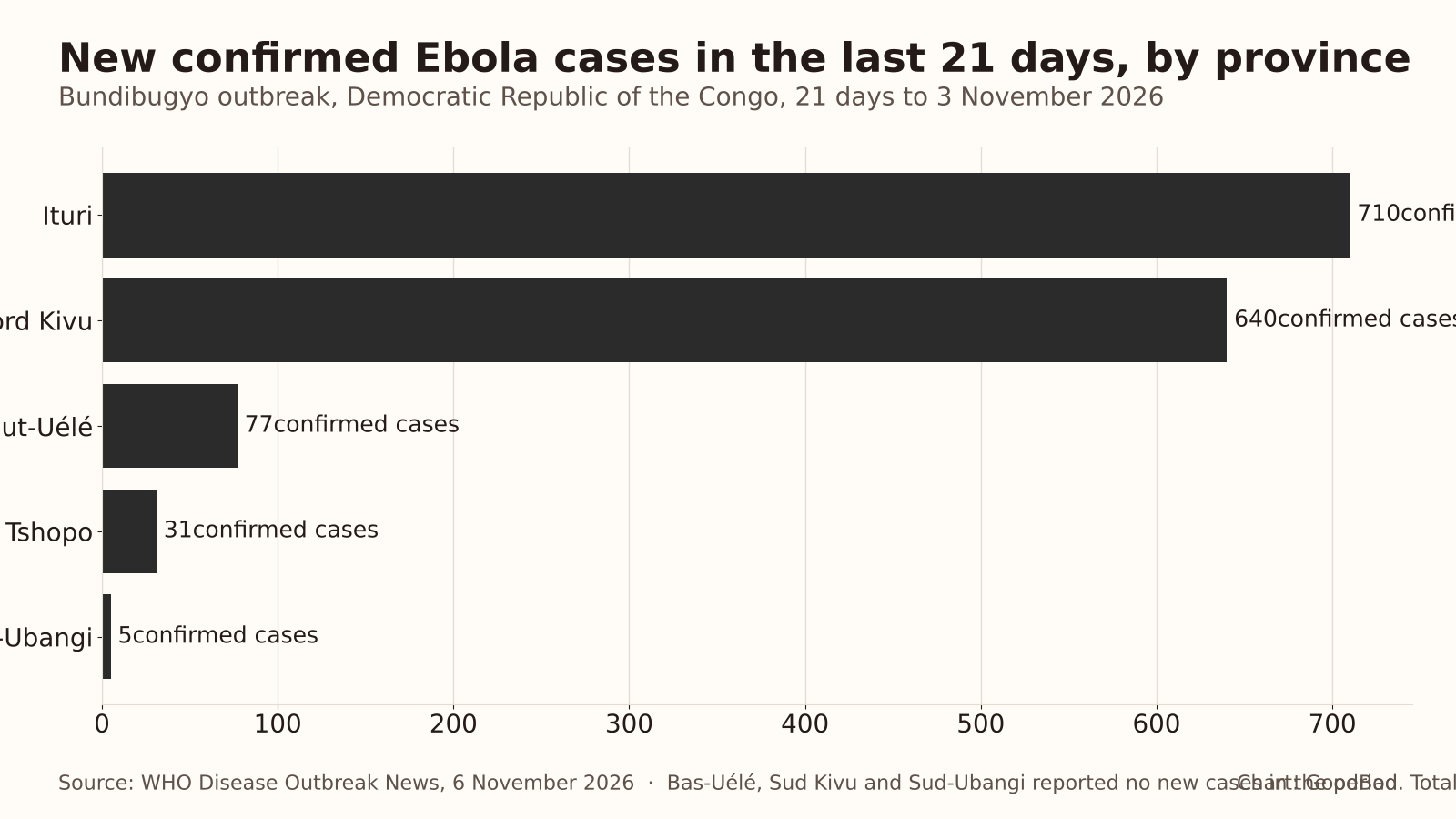 Chart: GoodBad. Data from WHO Disease Outbreak News, 6 November 2026.
Where the cases are now
The chart shows how concentrated the outbreak has become. Ituri and Nord Kivu account for 1,350 of the 1,463 new cases in the last 21 days, and three provinces (Bas-Uélé, Sud Kivu and Sud-Ubangi) reported none. Nord-Ubangi had five. For responders, a narrower map is easier to work with than a scattered one, since vaccination and tracing teams can be stationed where the virus is.
Why a vaccine was not ready
Researchers quoted by DW say the Bundibugyo virus was identified in 2007 and caused a second outbreak in 2012, so there was time to prepare. Torsten Feldt, a tropical medicine doctor in Düsseldorf, calls the gap a missed opportunity. Leonie Mayer of the German Center for Infection Research says Ebola is a predictable target for vaccine designers, and expects a Bundibugyo vaccine to be relatively straightforward to develop. She also notes that effectiveness can only be confirmed during a real outbreak, which is what Tumaini now provides.
What to watch
The table summarises where the outbreak stands, using WHO’s figures to 3 November.
| Measure | Figure |
|---|---|
| Confirmed cases in Congo | 10,668 |
| Deaths | 5,198 |
| Recoveries | 2,881 |
| Health zones affected | 67 of which 16 with no case in 21 days |
| Kenya | 9 cases, 2 deaths, 5 discharged |
WHO continues to advise against travel or trade restrictions on affected countries. The next test is whether the ChAdOx1 and mRNA-1469 candidates clear national approval and join the trial, and whether contact follow-up improves enough to hold the quiet zones quiet.